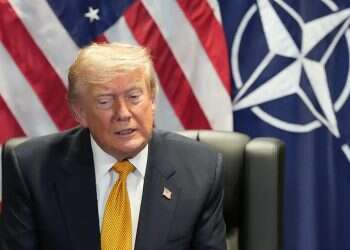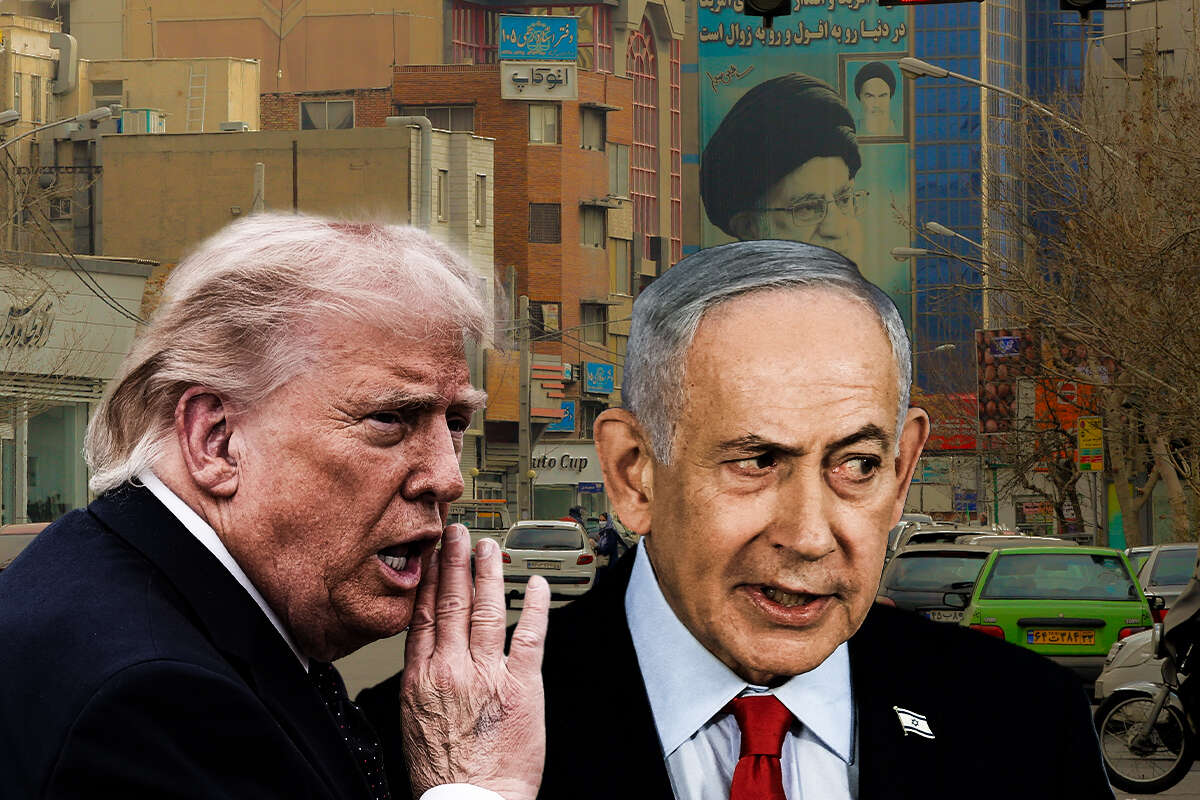
"The debate has been settled. Those who oppose it may pay a personal price," a senior US official said, describing what has been taking place behind the scenes in White House discussions on Iran.
Several weeks ago, Israel Hayom reported on a difficult conversation in which a fierce argument broke out among some of those involved, including between Vice President JD Vance and US President Donald Trump. Vance, Steve Witkoff and Jared Kushner, who are managing the negotiations with Iran, support a deal with the regime, partly because of the assessment that it will not fall within a reasonable time frame, and also because of pressure from some Gulf states, first and foremost Qatar.
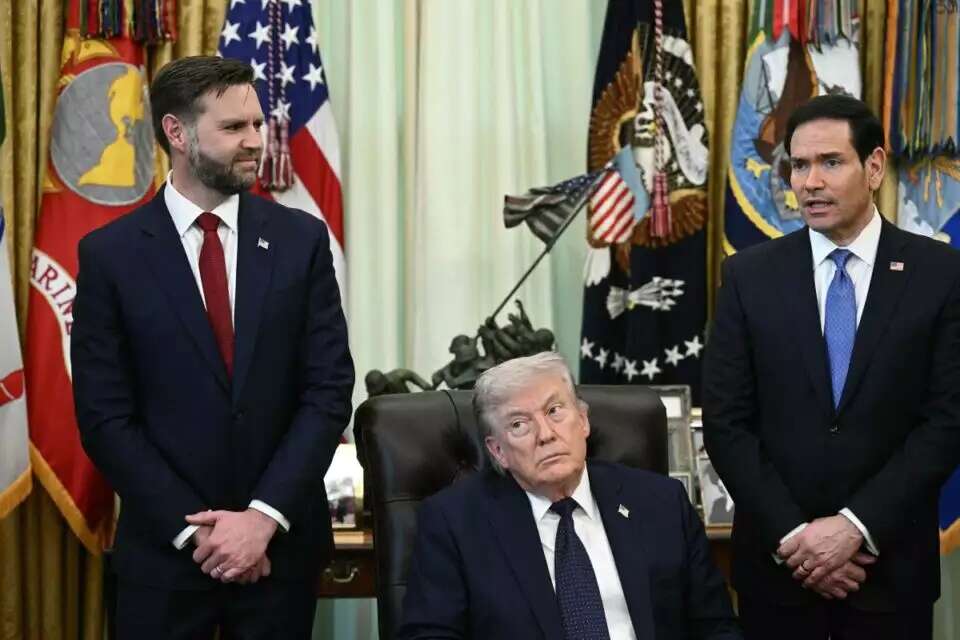
Qatar has close ties with the US envoys involved in the negotiations. According to US officials familiar with the matter, Vance has developed special ties with Qatar's leadership. Secretary of State Marco Rubio and Secretary of War Pete Hegseth, with the help of several senior officials at the Pentagon and the State Department, presented an assessment that the Iranian regime is dying under economic pressure, and that intensifying that pressure is the right way to secure either surrender or, alternatively, the regime's collapse.
Went all the way
Last week, a pointed conversation was held in which the decision was made, and the US president made a final decision to move forward with the memorandum of understanding. A demand by Treasury Secretary Scott Bessent not to lift the sanctions, since reimposing them would be extremely difficult, changed the terms only slightly, and the sanctions are expected to be lifted, at least in part, after the full reopening of Hormuz, meaning without any real Iranian concession.
The president also accepted the position of his two envoys and his vice president on the Israeli issue. Although Vance stated in White House briefings that Israel's right to defend itself would be preserved, every time Israel strikes in Lebanon, and also during last week's strike in Iran, he demanded that the president stop Netanyahu and accused the prime minister of deliberately trying to sabotage the emerging agreement.
Trump, as reflected in his remarks, social media posts and conversations with journalists, has bought into this narrative and, as in other cases involving foreign leaders, almost seems to enjoy verbally tormenting Netanyahu. His remarks over the past two weeks have drawn sharp internal criticism, including from senior figures in his party.
Positive approach to negotiations
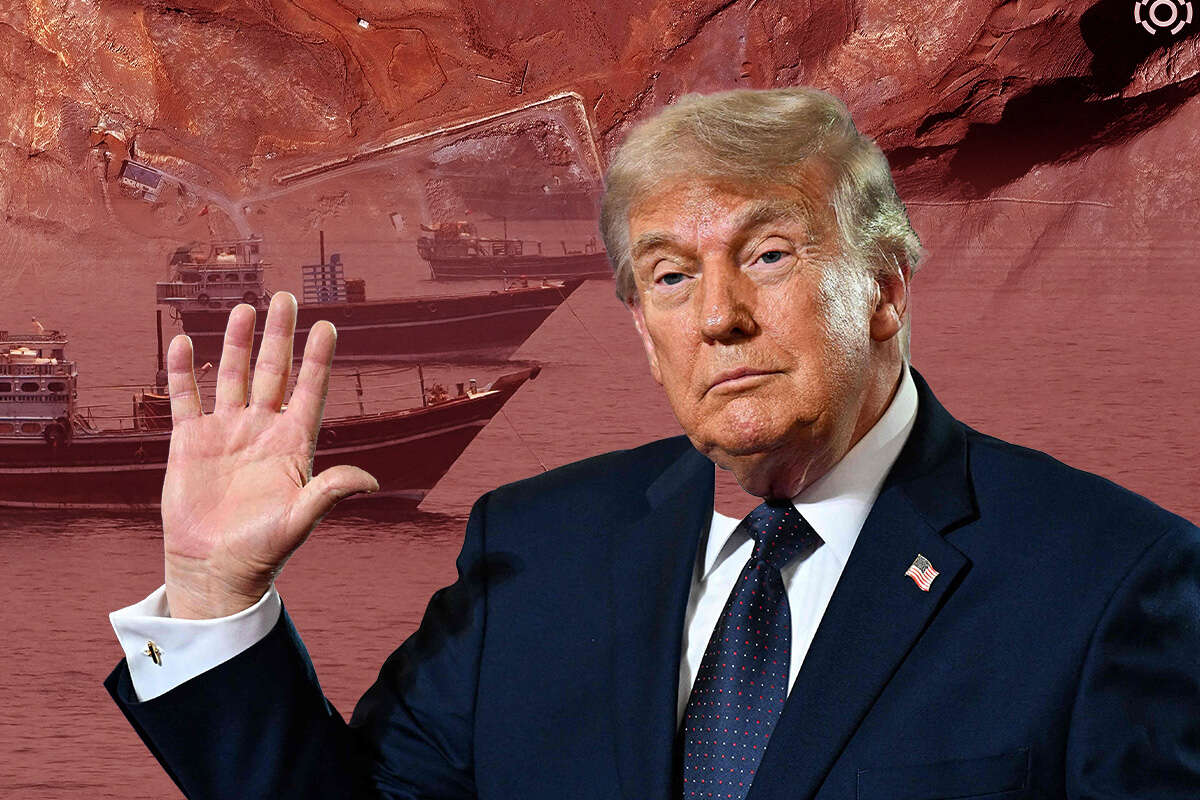
According to the US officials, in order to neutralize further internal criticism, Trump may fire those who oppose the memorandum and the negotiations with Iran. In a conversation with Israel Hayom, a senior US official familiar with the details of the negotiations was asked about the chances of reaching an agreement and replied, "Given the way the negotiations have been conducted so far, there is reason to assess that yes." His remarks reflected criticism that was more than implied among professional ranks, including those who support an agreement in principle, of the public discourse and the conduct toward the Iranians.
Oded Ailam, a former senior Mossad official and a researcher at the Jerusalem Center for Foreign Affairs and Security, told Israel Hayom: "This is an American game being managed with utter foolishness and a total lack of understanding of the Iranian bazaar. Trump is acting badly and against the American interest, not only the Israeli one. Trump no longer wants to fight, and the problem is that he is demonstrating this in such a stupid way, a march of folly in Trump style."
Israel depends on one man
Ailam warned that this conduct also harms the inter-bloc struggle against China and Russia. "Unfortunately, the State of Israel depends on one man to whom we owe an enormous debt (the Abraham Accords, the release of the hostages and the strikes in Iran), unlike all other presidents, but it is clear that every cent will go to the Revolutionary Guards and to rebuilding military capabilities."
Ailam was referring to the worst clause in the memorandum of understanding: the suspension of all sanctions on Iranian oil sales. Under the sanctions, those oil sales brought Iran between $40 billion and $60 billion a year. Without the sanctions, that amount could double.
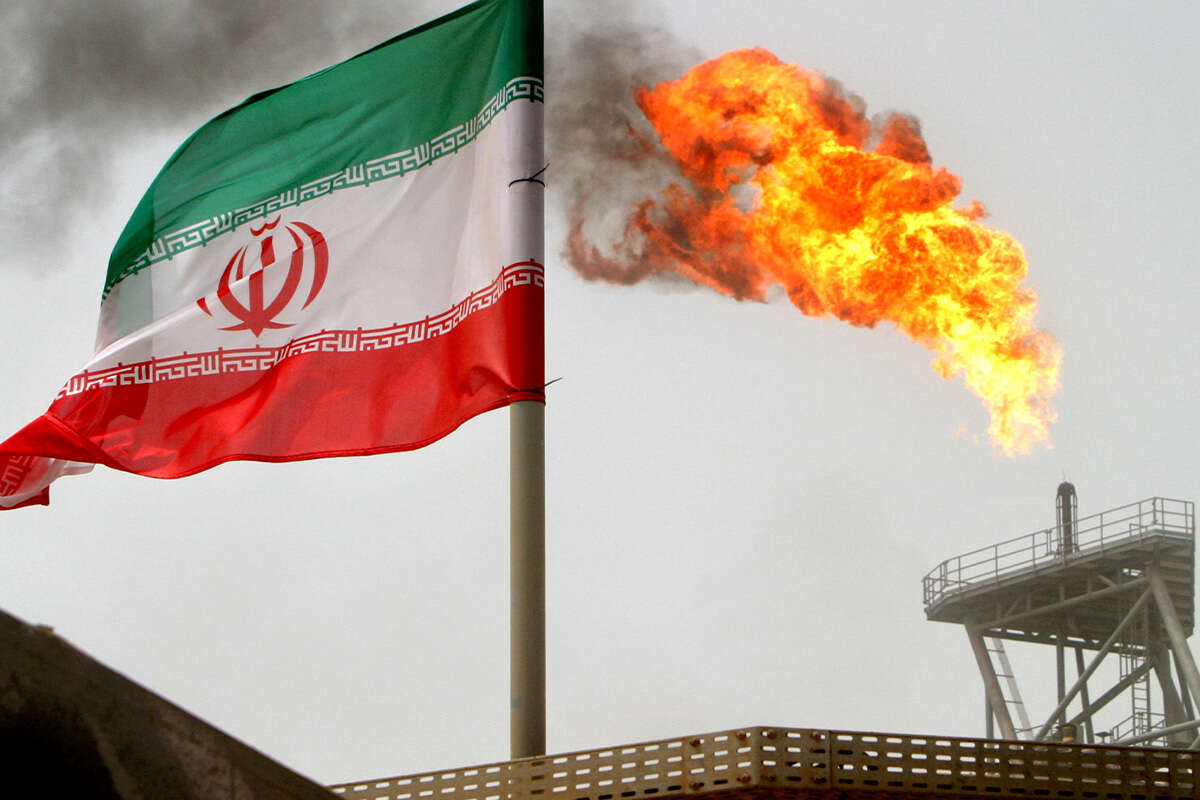
Treasury Secretary Bessent's warning that lifting the sanctions was dangerous was not accepted, as noted, and the expectation is that additional sanctions will be lifted as a result. Other countries that have until now feared the US will receive the signal that everything is fine and that trade with Iran is permitted.
At the same time, there are two relatively optimistic points. If an agreement is indeed signed according to the principles set out in the memorandum of understanding, Iran will be kept far from an atomic bomb for many years. The second optimistic point is that opposition from the Revolutionary Guards may torpedo the agreement. Many Iran experts do not believe the Guards will agree to the restrictive clauses on the nuclear issue, in which case perhaps we will return to square one. But even in that scenario, there is serious doubt as to whether the president and his advisers will order a full return to sanctions and economic pressure.