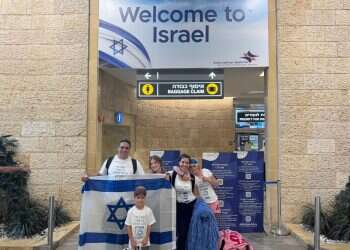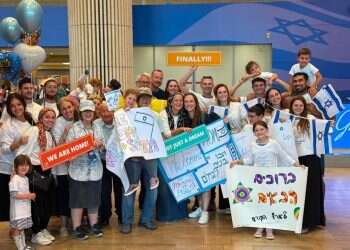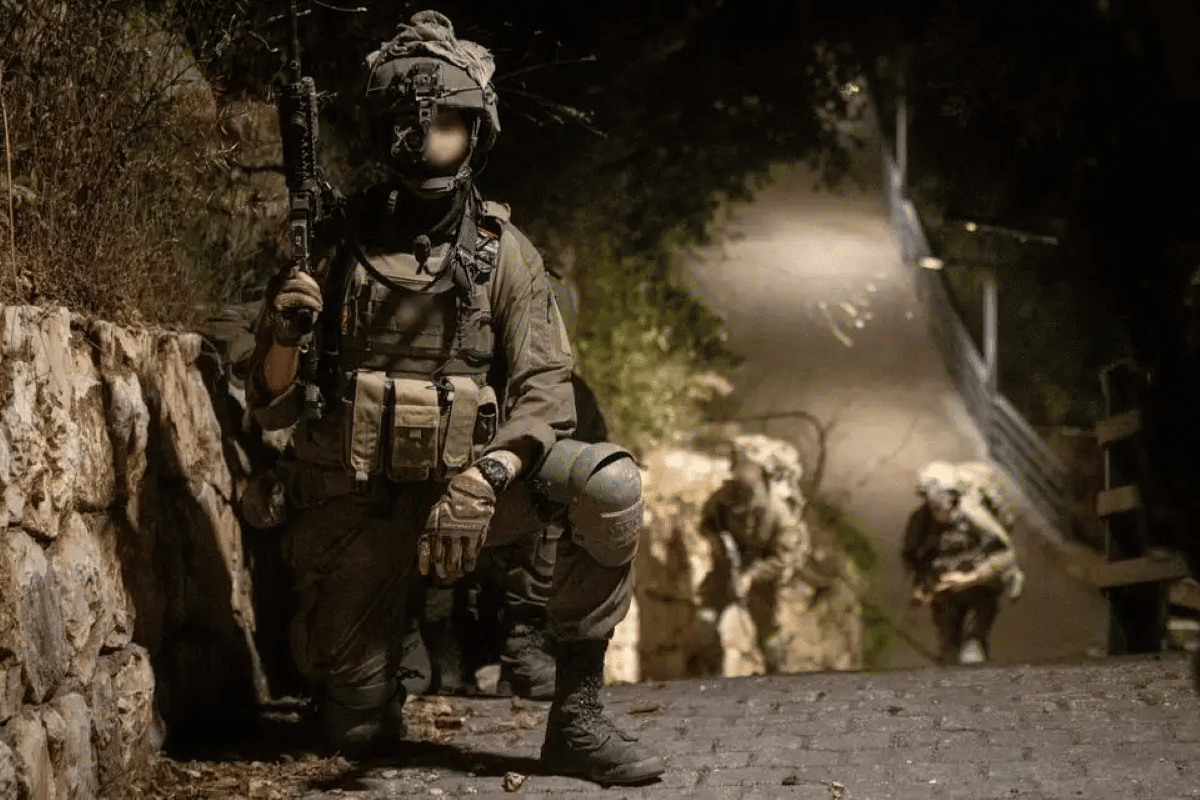
For N., a combat soldier in the Haruv reconnaissance unit who immigrated alone from Tennessee before the war, the primary challenge was not just the combat in Gaza. During the conflict, he joined "Frontline Support," a new initiative by Orthodox Union (OU) Israel, which provided him with spiritual strength in battle. The program offers religious, English-speaking combat soldiers personal and spiritual guidance that is both relatable and accessible.
Moving to Israel is a meaningful and complicated undertaking. For religious soldiers who make Aliyah with their families, especially after leaving behind comfortable lives abroad, enlisting alone in IDF combat service is a compounded challenge. An Oleh's successful journey in Israel is measured not only by their ability to navigate bureaucracy and logistical challenges but by their capacity to anchor themselves in tailored social and religious environments.
Combat soldiers from English-speaking countries often face gaps in both language and culture. Without an environment that understands their native mentality, a soldier may discover a profound disconnect between their sense of mission on the front lines and the lack of a supportive social or Torah framework when they return to reality.
This is the exact contradiction that the 22-year-old soldier experienced. N. made Aliyah from Tennessee four years ago after high school, studying at the Keshet Yehuda pre-military academy in the Golan Heights. In March '24, amidst the Iron Swords War, he enlisted as a lone soldier in the Haruv reconnaissance unit of the Kfir Brigade. After completing a grueling training path, he spent four months in intense combat with the unit's engineering team in Khan Younis and Gaza City.
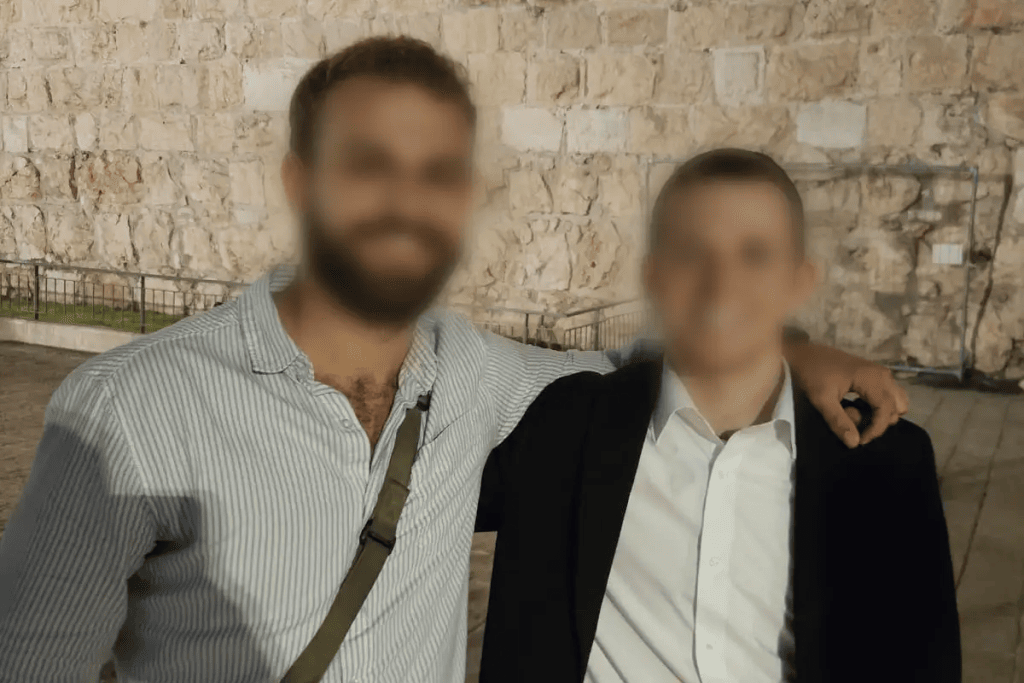
While inside the Gaza Strip, the closeness of his unit partially filled the void. "The dynamics in my team are amazing; we have people from all over Israel and all backgrounds," N. says proudly. However, he explains that the personal challenge arose during breaks from the field. Returning to Jerusalem to his Lone Soldier Home, far from family and without a permanent cultural or religious framework, the unique reality facing English-speaking combat soldiers becomes clear.
An anchor for the future
N. emphasized that the need for community and shared learning became a necessity as he looked toward building a stable future in Israel. "The concept of community became a big question mark in my life. As I think about starting a family, I find myself searching for a place where I truly fit. In the Lone Soldier Home, I have American friends and feel comfortable, but outside that framework, it's difficult to find a social and Torah community that aligns with our mentality."
According to N., this is a critical point for long-term resilience. "Being a religious combat soldier, especially as a lone soldier, is a massive challenge requiring incredible mental strength. You have to build yourself up within a demanding system. While the service is an amazing experience, to maintain your identity and build a life afterward, you must have a place to come back to."
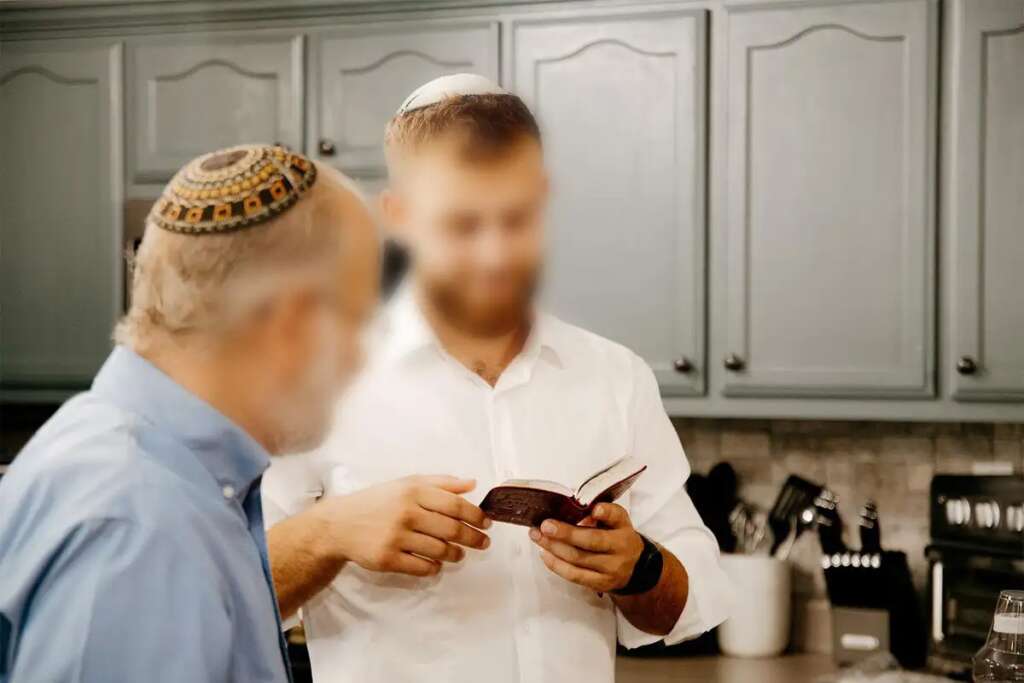
To address this essential need, OU Israel launched "Frontline Support." The program creates a vital Torah space for English-speaking immigrant soldiers, offering one-on-one learning sessions and events built custom for English speaking soliders. The heart of the program is a network of personal mentorship guided by educators and rabbis who served in the IDF themselves. They understand the specific spiritual needs of the combat soldier who has made Aliyah, providing the same type of guidance religious Israeli soldiers receive.
"To ensure they don't go through this journey alone"
For N., connecting with the program was a turning point. The bond with his mentor and the regular meetings became his anchor. "This program gave me what I was missing: Torah, community, and a place to ask deep questions," N. shares. "Learning with others and talking with advisors who have been in my shoes gives me a sense of belonging and brotherhood."
OU Israel explains that creating a non-judgmental Torah space with a deep understanding of the soldiers' native culture is key to successful long-term integration. "Following October 7th, hundreds of English-speaking soldiers in Israel are navigating deep questions of identity and faith within their service," Esti Moskowitz-Kalman, director of Anglo engagement at OU Israel, explains. "The program ensures they don't go through this journey alone, connecting them to mentors in a language that speaks directly to them."
Rabbi Ian Schwartz, director of Frontline Support and reserve combat soldier, summarizes the project: "In the moments outside the army, every soldier looks for community and the security of knowing someone stands behind them. Every soldier deserves to know they have people to turn to in moments of uncertainty, to remind them of the higher purpose of their service. We are proud to offer this support through the lens of meaning, mentorship, and connection."