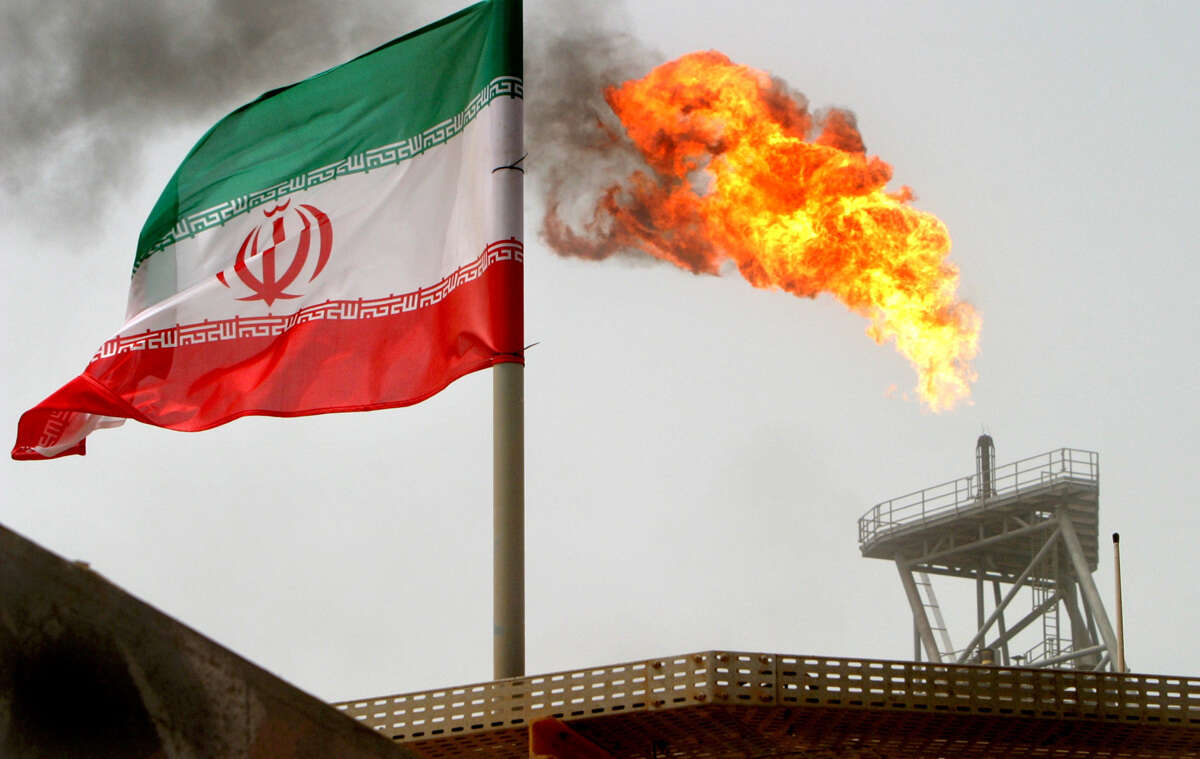
Iran will be permitted to resume oil and fuel exports the moment the ceasefire agreement is signed this week, The Wall Street Journal reported, granting Tehran an early economic incentive to end its war with Israel. Sources familiar with the deal told The Wall Street Journal that the sanctions waivers take effect immediately upon signing and extend to the financial and logistical infrastructure supporting those sales, including banking, shipping, and insurance services.
The nonprofit United Against Nuclear Iran reported that an Iranian supertanker loaded with crude oil had departed the port of Chabahar, sailed past the US naval blockade, and was making its way out of the Gulf of Oman on Tuesday with its transponder active – the first such movement since Washington imposed its blockade in April.
A senior US official told The Wall Street Journal on Tuesday that while Iran would receive upfront sanctions relief on oil exports, sustained economic benefits would remain conditional on Tehran's compliance with US demands, including on opening the Strait of Hormuz and on its nuclear program. Frozen funds – estimated in the billions – would not be immediately accessible to Iran.
The agreement, which the Trump administration says was electronically signed by both countries on Sunday and is expected to be finalized this week, includes an extended halt in hostilities, the mutual lifting of US and Iranian blockades in the Strait of Hormuz, and a framework for extended negotiations on Tehran's nuclear ambitions.
Opposition to providing Iran early financial concessions and relaxing the US naval blockade before securing substantive commitments has come from lawmakers and officials across both the US and Israel.

The memorandum of understanding outlines far more substantial financial incentives for Iran should it comply with US requirements to destroy its enriched uranium stockpile and dismantle its nuclear infrastructure, the Journal reported.
At a briefing on Monday, senior Trump administration officials said the US and Iran have discussed sanctions relief, restoring Iran's access to portions of an estimated $100 billion in frozen assets, and a $300 billion reconstruction fund to address war damage.
"We're going to be willing to be extraordinarily generous in opening up their economy and opening up the sanctions relief," one official said. "So I would say everything is on the table and at the same time nothing is on the table if it doesn't come along with real performance." President Donald Trump separately stated on social media that the US would not contribute to the $300 billion reconstruction fund.
The issue of financial concessions to Iran is among the most politically charged dimensions of Trump's effort to conclude the war. Trump has publicly attacked former President Barack Obama's decision to deliver cash to Iran following a 2015 nuclear agreement, and exited that deal during his first term.
Under the memorandum of understanding, the US is also prepared to grant Iran access to some of its frozen assets for expenditures directed by Iran's central bank, people familiar with the matter told The Wall Street Journal. Flexibility exists in the timing of this access, with one source indicating it could be granted before a final agreement on nuclear and other issues is reached.
Tehran has stated it wants $12 billion upfront and an additional $24 billion during the 60-day negotiating window that would follow an initial agreement.
Iran holds an estimated $100 billion in assets rendered inaccessible by US sanctions – primarily proceeds from historical oil sales and foreign reserves. While less immediately lucrative than ongoing sanctions relief, transferred assets offer Iran a more durable benefit: sanctions can be reimposed, but transferred funds cannot be reclaimed.
The bulk of Iran's frozen wealth sits outside the country, largely in China – years of oil revenues trapped by Tehran's exclusion from the international banking system. An additional $15 billion is held in Iraqi banks, derived from sales of electricity and natural gas.
Some $6 billion in Iranian funds that the Biden administration permitted to be moved to Qatar through a 2023 prisoner exchange – along with a separate $1 billion held in Oman – were informally frozen in the wake of the October 7, 2023, Hamas-led terrorist attacks on Israel.