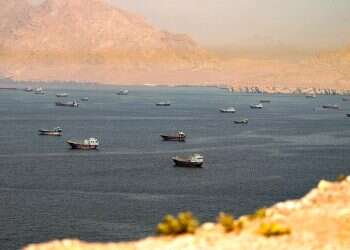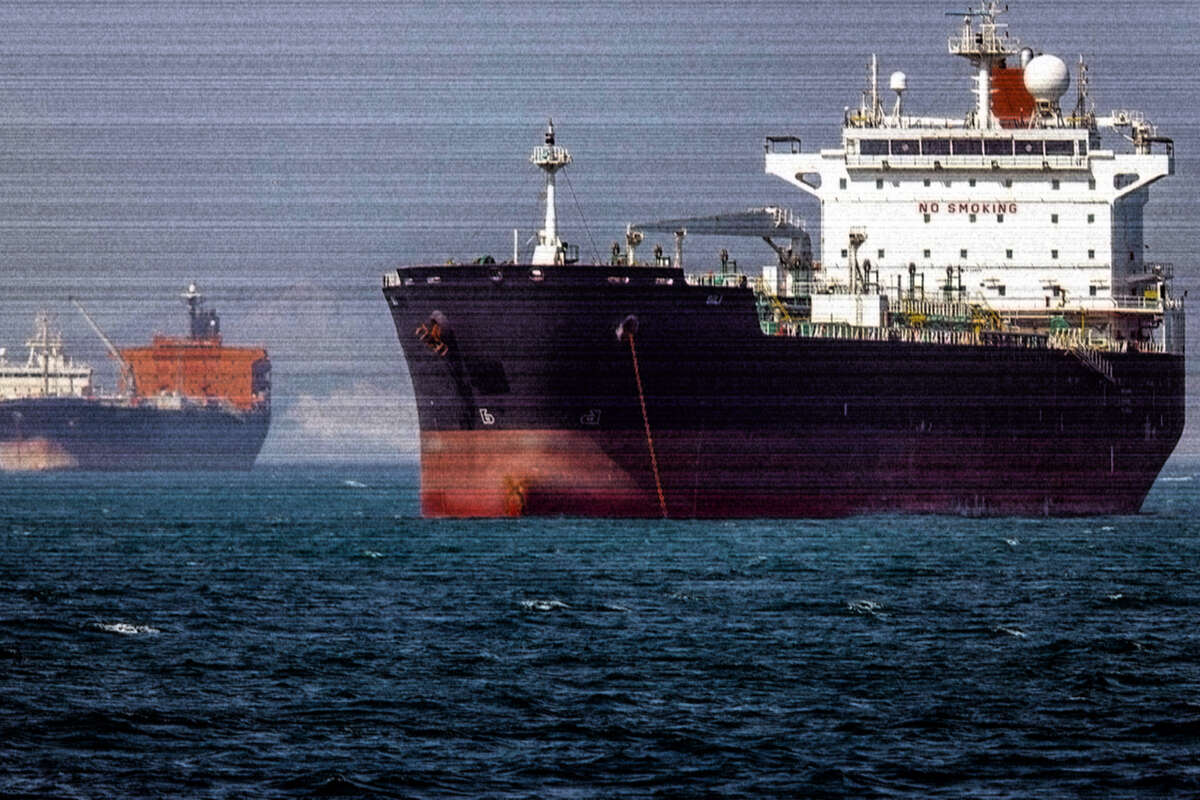
The United States is effectively lifting sanctions on Iranian oil exports, alongside the opening of the Strait of Hormuz, a move that could bring Iran tens of billions of dollars in the coming months and, according to estimates, even double its annual oil revenues within one to two years to around $100 billion. This runs contrary to statements by the US administration that the funds would be transferred to Iran only after it meets its commitments.
The US administration claimed that Iran would not receive cash until it fulfilled its obligations. In practice, however, the flow of money into Iran has already begun, and on a large scale.
According to the administration's remarks, and particularly a briefing by a very senior White House official, Iran will not only be able to move tankers through the strait, but sanctions on oil exports have been lifted. The significance is enormous. Iran's oil exports in recent years amounted to around $50 billion a year.
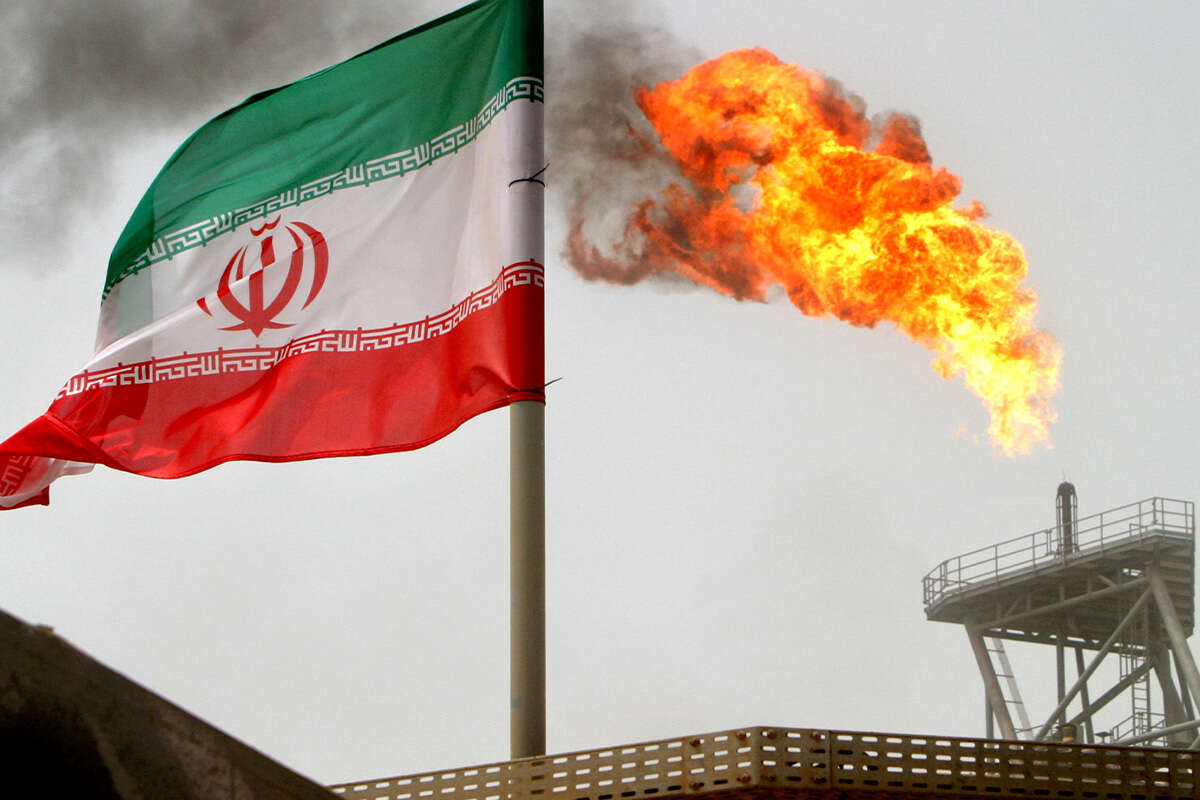
Now that the fear of US sanctions has been removed, more countries and energy companies will be able to buy Iranian oil without concern. Estimates are that within one to two years, Iranian exports will double and revenues from them will approach $100 billion.
One of the main and clearest criticisms of the 2015 nuclear deal was over the lifting of sanctions on oil exports, which brought Iran hundreds of billions of dollars during the four years of the agreement. That money was used for military buildup, the massive missile project, and the arming and funding of regional terrorist organizations, including Hezbollah, Hamas, the Houthis, groups in Iraq and others.
To the credit of that agreement, it should be said that it was conditioned on stopping the military nuclear project, and supervision was relatively tight, even though Iran concealed sites from the International Atomic Energy Agency.
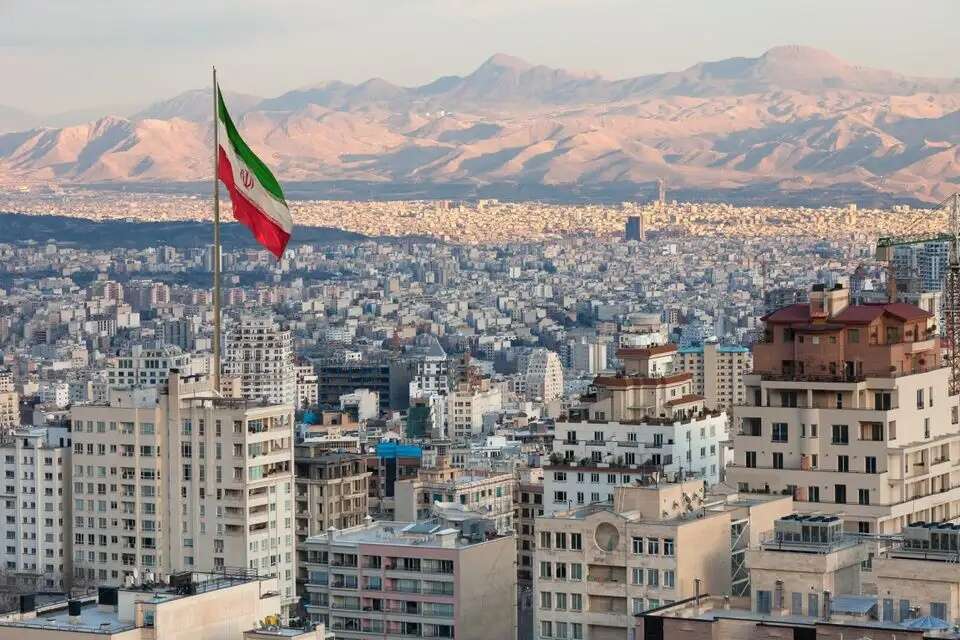
Now that money is beginning to flow. According to information from energy companies, interest in purchasing oil from Iran is growing, even if only for short-term contracts. The companies still fear the reinstatement of sanctions, as well as European sanctions, which have not been lifted.
To the Europeans' credit, they have announced that sanctions will be lifted only after Iran complies with strict supervision and the terms of the nuclear agreement. Among the countries expected to sign such agreements are Japan, India and South Korea, which were harmed by the closure of the strait.