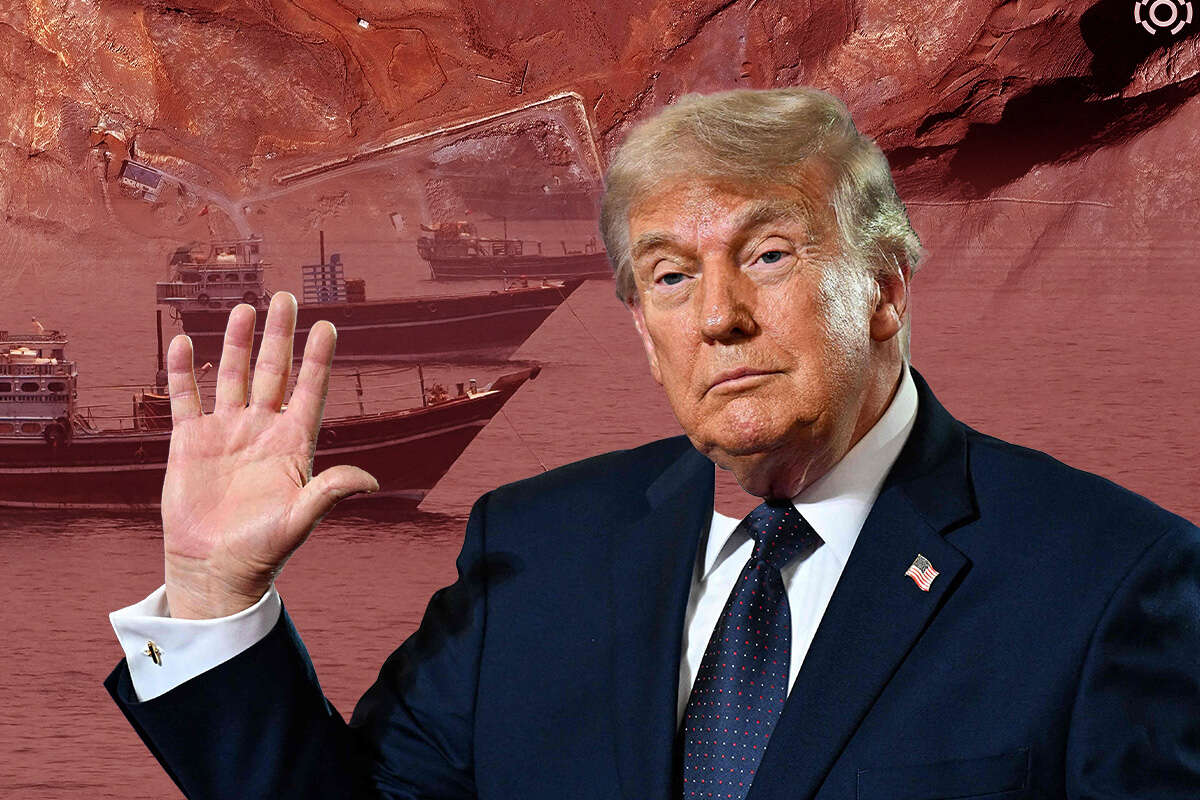
Alongside the 14-point document for ending the war, Iran and the US, together with Qatar, have reached additional understandings that will not be disclosed at the initial stage. The version of the document published in the media has already been denied by the White House. Moreover, US President Donald Trump said it was not the final version. But according to diplomatic sources from the Gulf and the US, it certainly reflects the spirit of the understandings.
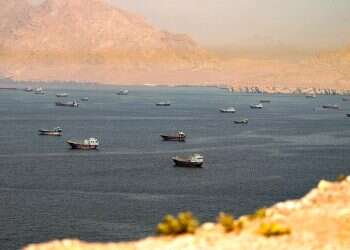
The two enormous US concessions, which come with almost no practical return from Iran, appear in clauses 5 and 7. The first is the full opening of the Strait of Hormuz from the American blockade, alongside the unbelievable concession of an exemption from sanctions on oil exports, meaning a stream of billions of dollars in revenue for the Islamic Revolutionary Guard Corps, which dominates the oil trade.
Yesterday, Israel Hayom reported that Iran is rushing to sign short-term export contracts with countries other than China, its main buyer during the sanctions period. These include countries in the Far East, India, Japan and South Korea. In the second clause, the US undertakes to remove all sanctions against Iran of every kind. This is, again, an upfront concession that is indeed conditioned on implementation of the future agreement, but even in the previous JCPOA agreement by Obama and his partners, which Trump loves to criticize, there was no sweeping concession of this kind.
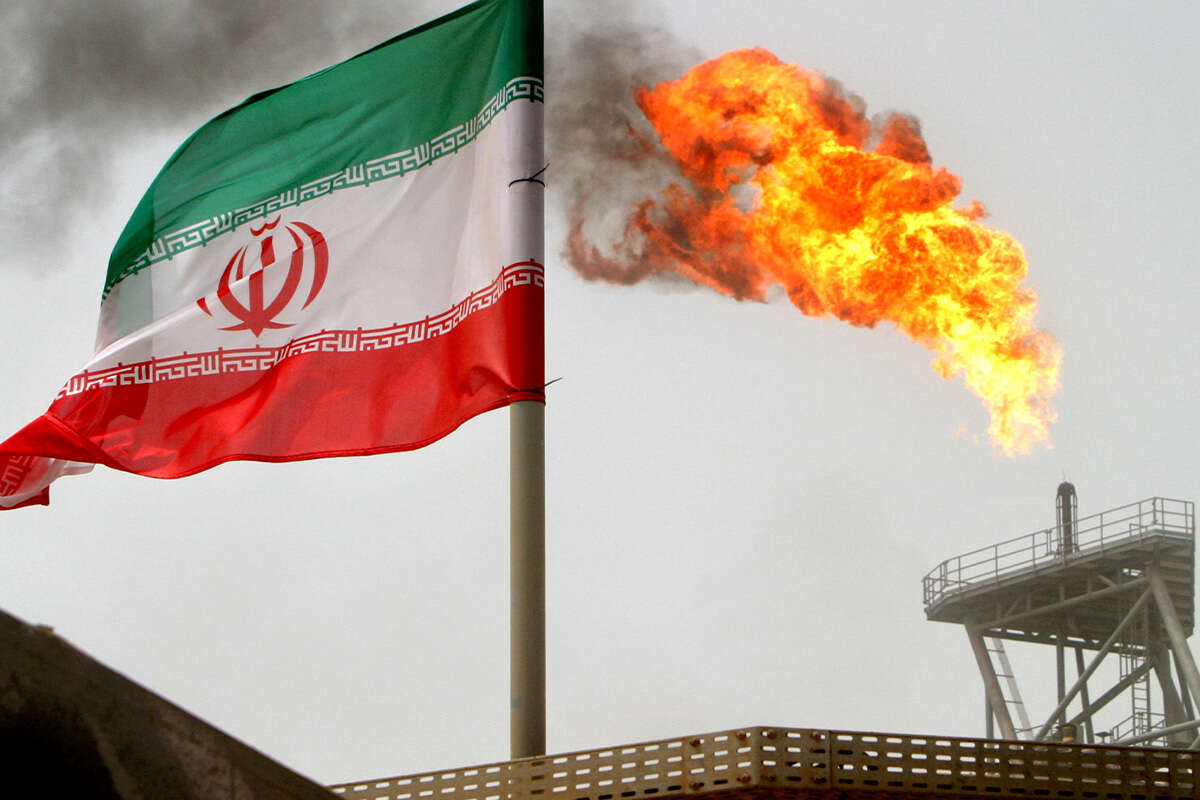
As stated, alongside the document, there are also understandings and agreements discussed in contacts mediated by Qatar. According to the diplomatic sources, US energy companies will take part in the same $300 billion investment fund. The idea is for these companies to enter Iran's oil and gas sector and, among other things, develop the enormous Pars gas field, the largest in the world.
This field is also shared by Qatar and is the source of most of its profits and revenues. More than a decade ago, Qatar signed an agreement with Iran to develop the Iranian side, but the agreement was never implemented. Iran was furious with Qatar, accused it of stealing the shared gas, and during the war even bombed one of the gas facilities. Qatar is now trying to resolve the issue.
There was also discussion of US companies taking part in the renewal and modernization of oil production facilities, and the construction of several advanced refineries in Iran. Today, Iran refines only a small portion of the oil it produces, and is therefore forced to import refined oil for power stations, industry and transportation. The US administration has already begun sounding out American companies on the matter. In addition, there was also talk of a promise to purchase rare minerals found in Iran that are needed by advanced industries.
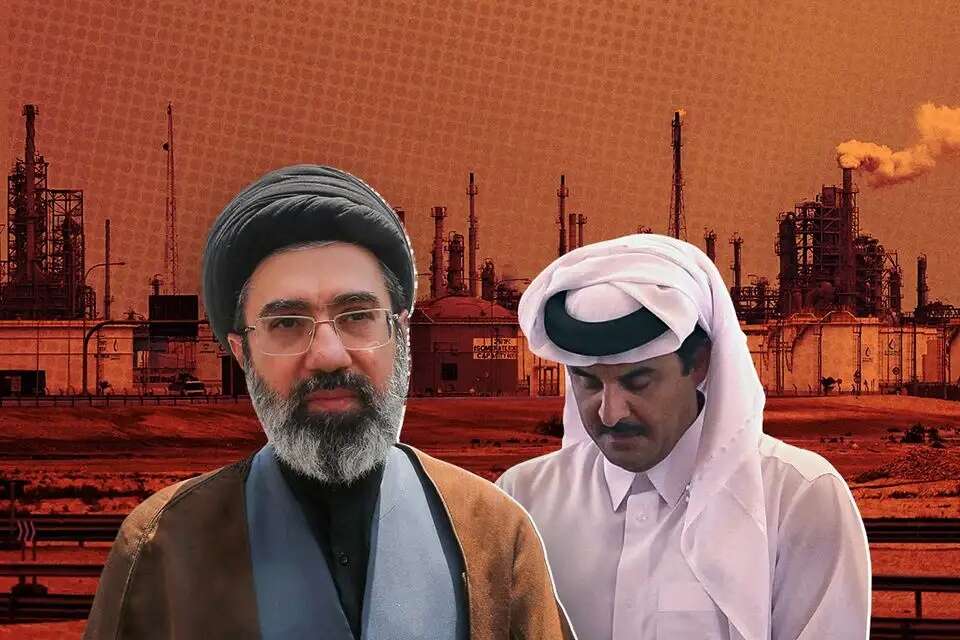
It should be noted that the central Qatari mediator in these efforts was Ali al-Thawadi, a fixer with a hand in everything and the Qatari regime's envoy for special missions. Among other things, his name has been linked to bribery of countless figures and organizations to secure the hosting of the World Cup in Qatar. He is deeply involved in American society through investments and donations to educational institutions, and was also involved in the payments and donations transferred to Gaza, from the suitcases of cash to the supply of oil, diesel fuel and other goods. A considerable portion of these helped strengthen Hamas in the Gaza Strip.
But, like substantial parts of the memorandum of understanding and the agreements, everything remains at the level of plans facing heavy question marks. Eran Efrat, an Israeli entrepreneur familiar with the global energy economy, told Israel Hayom that it was highly doubtful American companies would want to enter this kind of adventure in Iran. According to him, these companies have already been burned in Venezuela and are looking for a stable, non-dictatorial government, one where there is no risk that the industry will be nationalized.
He also cast doubt on the chances of a US purchase of rare minerals, since Iran has exclusive contracts with China in this field. Efrat believes that in the long term, no Western company will enter into investments in Iran because of instability, regional wars and the regime, as well as the European sanctions that still remain in place. These remarks are reinforced by the European Union, which has already announced that it will not remove the sanctions until Iran fulfills all its commitments on the nuclear issue, as well as in connection with ending the military threat against countries in the region.
The European interest
A European diplomat told Israel Hayom that although Trump very much wants this, Europe is not bound by his negotiations or by the memorandum of understanding. "We are not at the table, our interests do not necessarily overlap with the Americans', and we will not implement decisions that are made without involving us," the diplomat said.
Europe is interested in regional stability, meaning an end to Iran's support for terrorist organizations, foremost among them Hezbollah, which is preventing an Israeli-Lebanese agreement. It is also interested in free passage without fees, and especially without an Iranian threat to close Hormuz whenever it wishes.
Meanwhile, the US, Iran and the mediators are discussing the possibility of holding the signing of the memorandum of understanding electronically earlier than planned, instead of the ceremony scheduled to take place Friday in Switzerland, Axios reported, citing a diplomatic source from one of the mediating countries and another person familiar with the matter.
In the past, a senior White House official said in a briefing for reporters that the digital signing had already taken place, and that the event planned for Friday was purely symbolic and intended to mark the start of negotiations between the sides on a final agreement.