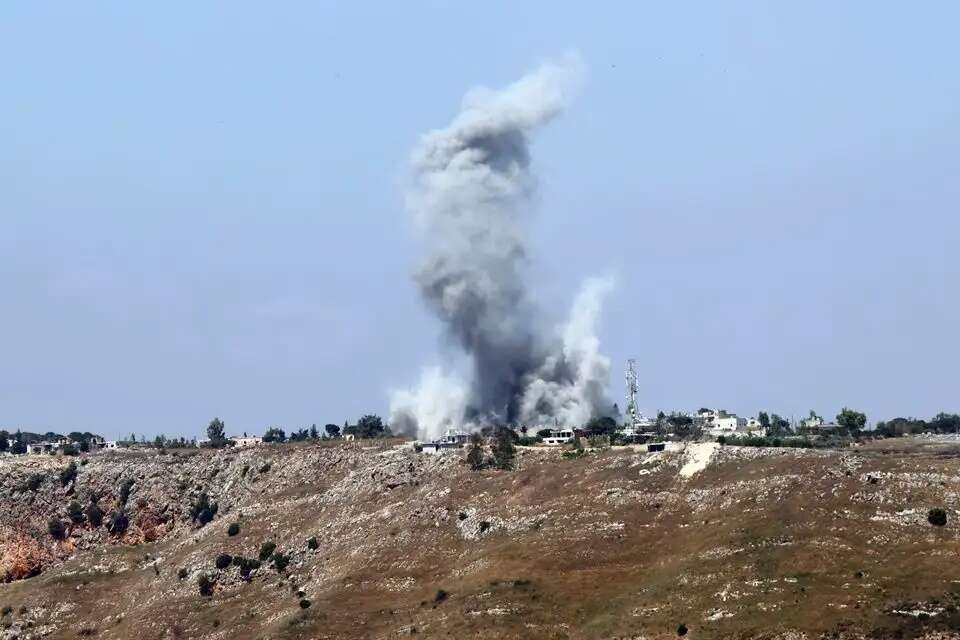
Last night, at the end of another bloody day in Lebanon, the Israel Defense Forces said it had been instructed by Israel's political echelon to hold its fire. This came after an Iranian announcement of its intention to close the Strait of Hormuz again, accompanied by a threat to fire missiles at Israel. The US administration, as it has done in recent weeks, pressured Israel and effectively forced a ceasefire on it.
It can be assessed with a high degree of probability that this ceasefire, too, will last only a short time, if at all. Iran sees the current situation, in which the IDF is effectively trapped in southern Lebanon and restricted in its operations, as a strategic vulnerability for Israel and a convenient opportunity to pressure it through Washington, which does not want anything to disrupt the memorandum of understandings it formulated with Tehran.
It is therefore likely that Iran is pressing Hezbollah to act, and forcefully. The organization has its own reasons for wanting to act: The points to which the IDF maneuvered, especially the area north of Beaufort Castle, around the Ali Taher ridge, are pressing on its command and logistical nerve center in southern Lebanon.
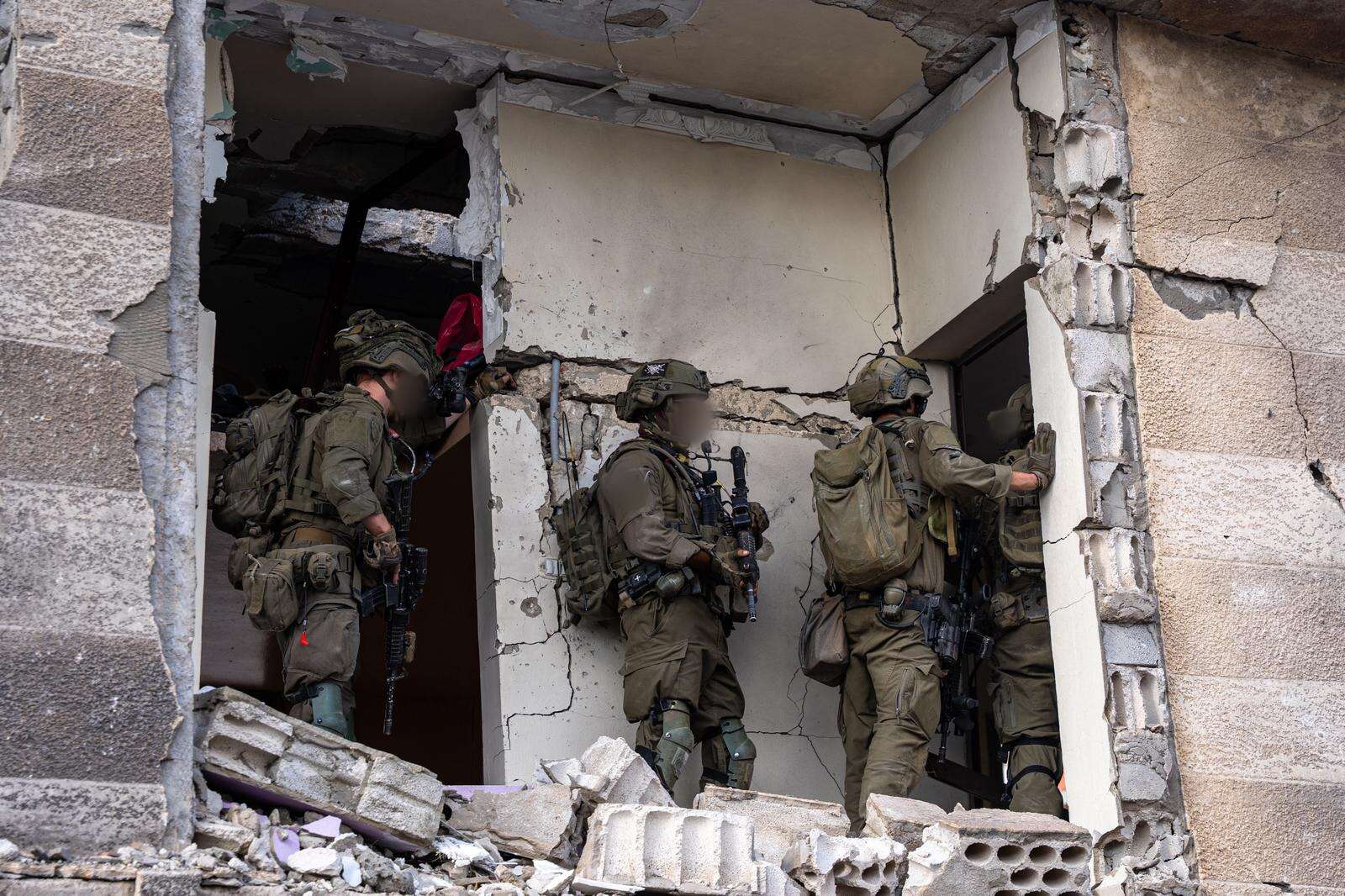
Yesterday, dozens of Hezbollah terrorists were trapped in tunnels and underground command posts in the area, and the organization hopes that through international diplomatic pressure, alongside parallel military pressure on the ground, it will manage to push the IDF back south.
The day before yesterday, after the results became known of the serious incident in which the tank crew of the commander of Battalion 52, Lt. Col. Dor Ben Simhon, was killed along with three of his soldiers, Prime Minister Benjamin Netanyahu announced that he had instructed the IDF to respond forcefully. The IDF did indeed strike Hezbollah targets in the Beqaa Valley, outside the area in which operations are "permitted," but not in Beirut, where Israel is currently refraining from attacking for fear of Trump's wrath.
That strike led to an especially severe Hezbollah response: 147 rockets, 20 explosive drones and nine anti-tank missiles were fired at forces operating in southern Lebanon. One soldier was killed and others were wounded in several separate incidents. Israel's ambassador to the UN, Danny Danon, who took the unusual step of publishing the details, sought to bring the international community's attention to the complex situation in Lebanon, where the IDF is required to operate with its hands tied.
Trump turned his back
Unfortunately, it is doubtful that the publication will change anything in the map of international support for Israel. From the moment Trump turned his back on Israel, it was left almost alone, as JD Vance noted. His remarks, alongside an implied threat of the possibility of imposing a weapons embargo on Israel, echoed in Jerusalem throughout the weekend.
They may have restrained ministers from making open statements against Trump, but they did not ease the anger. "With all due respect to the redhead, he won't be the one going to four funerals," they were reported as saying, as though anyone among the ministers of Israel's government had bothered to attend the funeral of the fallen battalion commander himself.

The frustration in Jerusalem is understandable given the disturbing reversal Trump has undergone, which places Israel in a particularly problematic position as its enemies on every front, from Iran, through Syria and Lebanon, and perhaps Gaza as well, grow significantly stronger as a result of what is seen as a surrender agreement with Tehran.
Given his capricious mood, it is difficult to know where he will go from here: whether he will reverse himself again, as he has done more than once in the past, or sacrifice Israel for the benefit of his friends in Qatar, Turkey and Pakistan. The strange proposals he has raised, such as the possibility that Syria would deal with Hezbollah, indicate, at the very least, a worrying lack of familiarity with the material.
In this state of affairs, Israel is required to do what it has barely managed to do in three years of war: formulate and manage a strategy with clear and attainable goals. Statements such as "strike forcefully" may be good for the a political base, but they are not an operational plan that changes reality.
Israel has already used a great deal of force in every front, in Gaza, in Lebanon and in Iran, without achieving the results it had hoped for. It is in an extremely complicated situation in Lebanon, in which the IDF is positioned in forward posts but struggles to defend itself, and under the restrictions also does not truly succeed in striking Hezbollah.

The death toll cited by Israel, more than 100 over the past week, is uncertain and in any case will not break Hezbollah's back. When it wants to, the organization also fires drones or missiles into Israeli territory, in a way that negates the claim that the IDF's current deployment in southern Lebanon provides full protection for northern communities.
A strategic tangle and public sentiment
This state of affairs is the worst of all worlds. Israel has lost the absolute strategic advantage it had in Lebanon, and it is watching with concern as the fronts of Iran and Lebanon have been fused together, in a way that could also thwart the negotiations being conducted by Israel and Lebanon.
Israel is unable to use the IDF's superior power, while Hezbollah uses the guerrilla tools and tactics at its disposal to strike the IDF and increase frustration in Israel. The rising death toll, 24 as of yesterday since the "ceasefire" was declared in Lebanon, is also expected to intensify the internal debate in Israel, which is already heated amid claims that the government is perpetuating the war in Lebanon and Gaza due to upcoming general elections, while in the background it continues its efforts to exempt the ultra-Orthodox from military service despite the enormous burden placed on those who serve.
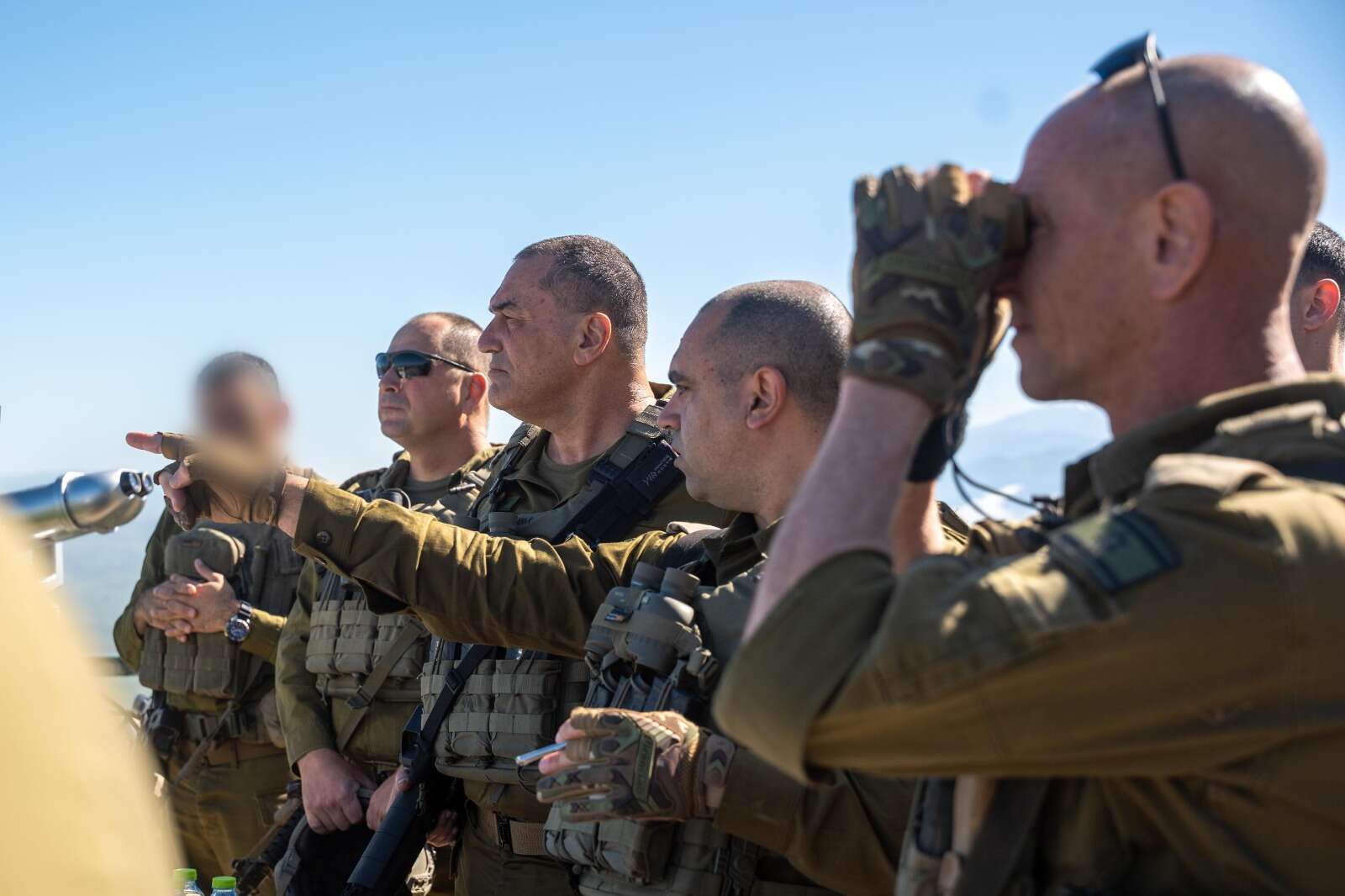
A similar rift, under less complex conditions, existed nearly three decades ago, in the years preceding the withdrawal from southern Lebanon in 2000. The combination of numerous casualties and a sense of futility led to disputes at the top of Israel's political and security establishments, and to Ehud Barak's election promise, which he ultimately fulfilled, to withdraw from Lebanon. Netanyahu, who ran against him then and lost, made a similar commitment, understanding the combination of strategic entanglement and negative public sentiment.
If the current entanglement continues, and even deepens, Lebanon is likely to star in the current election campaign as well. Just as with Iran, the problem is clear, and empty promises to solve it will not help: What is needed is an operational plan and transparency with the public. Those are two commodities Israel sorely lacks.