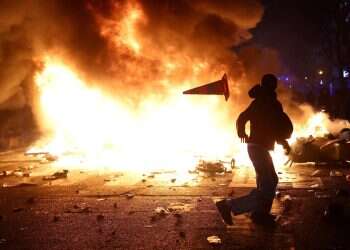
The British government's decision to ban imports of goods produced in Jewish communities in Judea and Samaria, announced Tuesday, continues to roil the UK and draw fierce criticism across the political system.
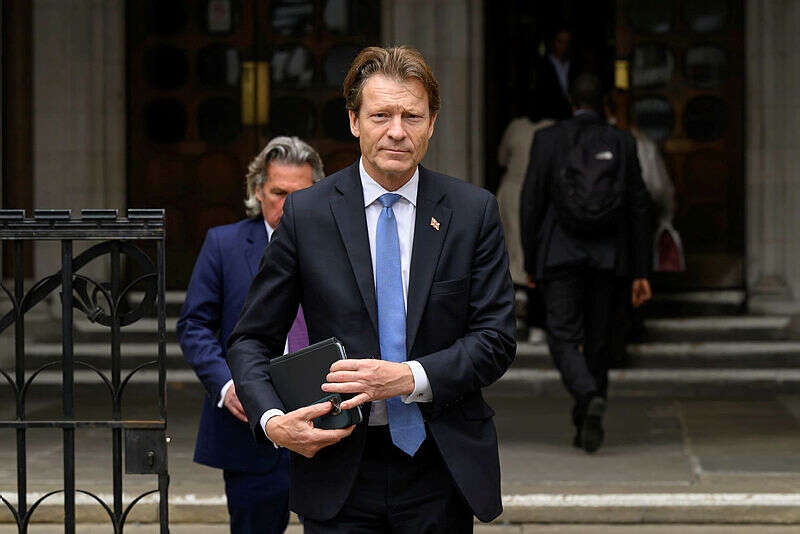
In an interview with Israel Hayom, Reform UK Deputy Leader and MP Richard Tice said the decision was "wrong on so many levels."
"It puts the Jewish community at risk because they will suffer more antisemitism. It puts cooperation between Britain and Israel, and also with the US, at risk, and it jeopardizes intelligence cooperation that has saved British lives. It's simply a catastrophe," he said.
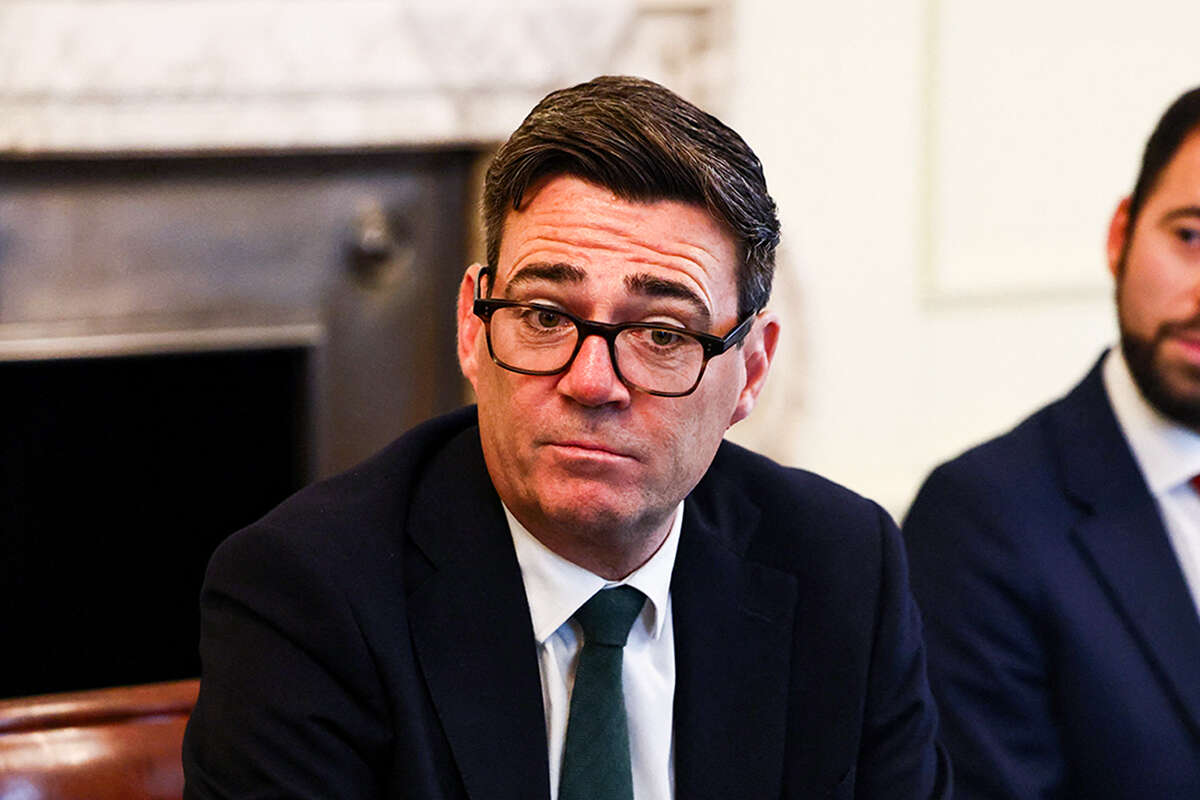
British Prime Minister Andy Burnham appeared in Parliament on Wednesday for Prime Minister's Questions and defended the decision. "In this difficult and dangerous world Britain has to stand for something, Britain has to show leadership, Britain has to stand for fairness against injustice," Burnham said. "Where people are being bullied out of their homes and intimidated, we will always stand with the underdog and take what action we can to support them."
To applause from members of his Labour Party, he added: "That, Mr Speaker, is leadership on the world stage: Britain being true to what it's always been about."
Tice explained why he believes the decision could translate into violence on British streets. "At the end of the day, one of the fundamental elements of leadership is setting an example for others," he said. "When people see the British foreign secretary attacking the Jewish state, people who don't like Jews say to themselves, 'If the government is against the Jews, then I can allow myself to be against them too.' That's simply the reality. There are bad people, and that's how they understand it. From their perspective, they have been given a kind of license to act against the Jewish community, despite what Miliband says."
Earlier, British Foreign Secretary Ed Miliband responded to criticism from UK Chief Rabbi Sir Ephraim Mirvis, who called the decision "a truly dark day for British Jews" and warned that it would embolden those who "use hatred as a weapon against Jews."
Miliband, who described himself as a "proud British Jew," rejected the argument that the decision placed the Jewish community in greater danger. "Yes, I am saying I don't agree with the chief rabbi, somebody over whom I have great respect," he said.
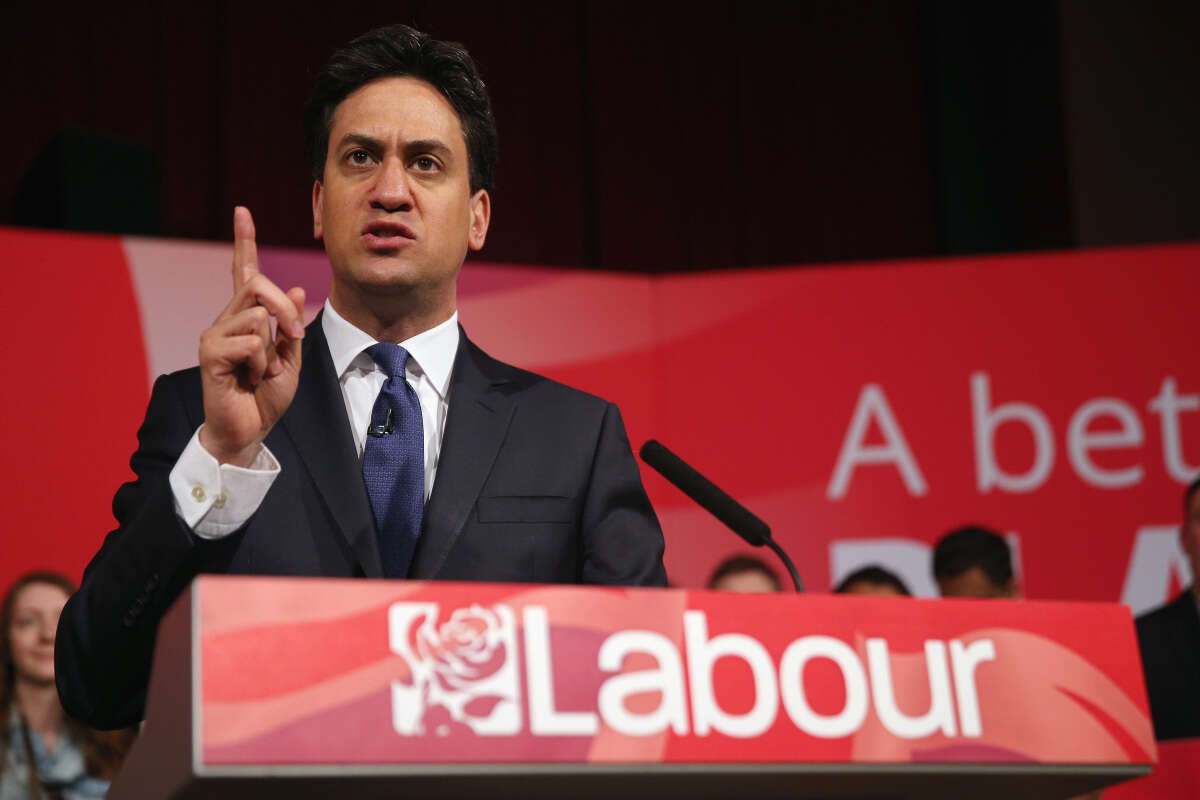
Tice rejected the foreign secretary's position. "The UK chief rabbi is right and Ed Miliband is wrong," he said. "This measure absolutely could increase antisemitism in Britain, and the chief rabbi understands the risks facing the Jewish community far better than Miliband does."
Tice was also angered by the timing of the move, just days before Rosh Hashanah. "There is never a good time to impose sanctions, but the decision to impose them now, just before Rosh Hashanah, is tasteless," he said. "This decision is creating feelings of anger and disappointment within the Jewish community precisely at a time that is supposed to be joyful and full of hope. It only magnifies the scale of Labour's mistake."
Tice's criticism comes amid a tight political battle between Reform UK and Labour. The latest YouGov poll puts the two parties neck and neck on 23% each. Reform UK's surge has already exacted a price from Labour. In July, Prime Minister Keir Starmer resigned and was replaced by Burnham.
Tice argued that electoral calculations played a clear role in the sanctions decision, saying Miliband was "pursuing a policy aimed at winning back votes Labour is losing to the Greens while also appealing to Muslim voters to return to Labour."
A YouGov poll conducted Wednesday found that 52% of Britons supported the government's decision, while just 17% opposed it. Reform UK voters were the only political party in which opponents of the measure outnumbered supporters, by 46% to 23%. Even among Conservative voters, support remained slightly higher than opposition, at 38% to 34%.

Tice, regarded as a strong supporter of Israel, also stood by the country during the war in Gaza, at a time when outspoken supporters were difficult to find in Britain. He appeared on television programs, shared material on social media and stressed that Israel was a democratic country fighting the Hamas terrorist organization. "The decision to impose sanctions first and foremost damages trust between the two countries," he said. "Issues like these should be resolved differently. There are diplomatic channels for conveying messages, but because of domestic political considerations, Labour chose another course."
Tice vowed that Reform UK would "reverse the sanctions" if it came to power. "We will designate the Islamic Revolutionary Guard Corps as a terrorist organization, and we will take action against illegal Muslim Brotherhood networks and organizations operating as 'charities' while in practice supporting terrorism," he said.
Tice concluded with a message for Israelis. "The Labour Party does not speak for the British people," he said. "Everyone wants peace, but the way Labour is acting is not the right way to bring peace any closer.
"Most British people care about the safety of the Jewish community and do not want it to be harmed. They understand that the security situation facing the Jewish community is not what it was two days ago and has deteriorated as a result of Labour's decision, because that decision has put them at risk. To Israelis, I say this: There are good times and there are less good times. You have been through difficult periods in recent years and remained optimistic. Keep that optimism, because better days will come."