The inter-ministerial committee examining natural gas market policy and strengthening energy security released its five-year roadmap for the energy sector on Thursday. The plan spans hundreds of billions of shekels in state revenue, electricity allocations for tech giants' server farms, and the possible use of nuclear energy.
The report, whose publication was delayed by the Iron Swords War and professional disputes between government ministries, lays out the roadmap for Israel's energy sector over the next five years.
Alongside the core goal of strengthening the gas sector and lowering electricity prices, one of the most notable steps announced by political leaders has been the push toward nuclear energy. Energy and Infrastructure Minister Eli Cohen stressed that Israel needs to develop nuclear energy as a power source, and revealed that a dedicated committee is already working on the issue. The move joins efforts to promote renewable energy and carbon-reduction technologies as part of a broader push to diversify the national energy mix.
Why was the Dayan Committee formed, and what was its mandate?
The committee was established under previous government decisions requiring the state to conduct a periodic review, once every five years, of domestic energy needs versus export potential. Its central mandate was to determine how much natural gas must be reserved for Israeli consumers over the next 25 years, and at what point energy companies could be allowed to export the surplus to regional countries such as Egypt and Jordan, or to Europe.
As part of that mandate, the committee was required to examine the balance between supply and demand, ensure energy security in both routine times and emergencies, promote competition and price stability, and maximize the state's economic and geopolitical benefits.

Massive profits and a diplomatic growth engine
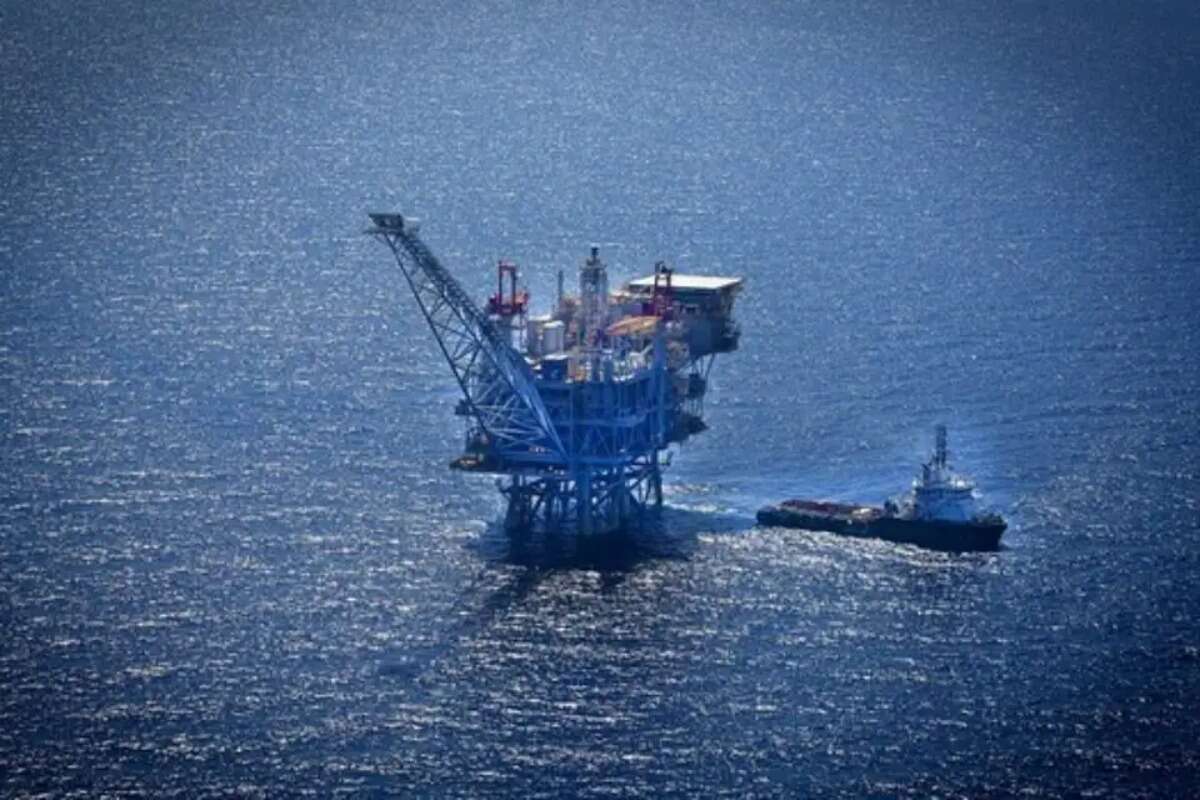
Yossi Dayan, director general of the Ministry of Energy and Infrastructure and chairman of the committee, said the committee's conclusions form the basis for orderly, balanced policy. Dayan noted that three reservoirs, Tamar, Leviathan and Karish, currently produce gas, and that a fourth, Katlan, is expected to come online in 2027. According to Dayan, the state has already earned roughly 30 billion shekels ($8.3 billion) from gas sales, with profits projected to reach as much as 300 billion shekels ($83.3 billion) in the future, out of estimated reserves of some 1,000 BCM.
Cohen said natural gas is a strategic asset that strengthens Israel's diplomatic standing and turns the country into a regional energy anchor. He stressed that thanks to its gas reserves, electricity prices in Israel are 18% below the average among OECD countries. The minister also said the export deal with Egypt alone will bring more than 50 billion shekels ($13.9 billion) into state coffers and strengthen peace ties.
New tenders and electricity for server farms
To realize that potential, the ministry is advancing new competitive tenders. As Cohen and Dayan noted, Israel has launched marketing for a fifth competitive licensing round for gas exploration and presented additional tenders in the US. Energy giants such as British Petroleum (BP) and SOCAR entered the market already during the war, alongside Chevron, which operates in Israel. Drilling to new depths is also planned, with potential for the discovery of crude oil as well.
Against the backdrop of electricity prices and regulatory stability, international tech giants have shown growing interest in building server farms, or data centers, in Israel. Cohen and Dayan said the state plans to allocate roughly 20% of gas-generated electricity output to these facilities, in a capacity estimated at 1 to 3 gigawatts. That allocation will be carried out transparently by the Electricity Authority in coordination with the National AI Center, based on the understanding that server farms will benefit the economy, data storage and job creation.
Market reaction, "Continuous supply must be guaranteed"
Alongside the committee's recommendations, the Forum of Private Electricity Producers said gas market policy must first and foremost guarantee a sufficient, continuous and competitive supply for the domestic market, both on a daily basis and during peak hours.
The forum stressed that guaranteeing available gas quantities for private producers is a precondition for competition, the development of new production capacity and the success of server farm construction.
In summary, the Dayan Committee's recommendations present a comprehensive vision for the energy sector, encompassing the extraction of natural gas resources, expanded tenders, protecting consumer prices, developing technological infrastructure and promoting a more diverse national energy mix through renewable and nuclear energy.