Israel Hayom is a media organization founded on the belief that the Israeli public deserves better journalism—more balanced, more accurate, and more reliable. Journalism that speaks rather than shouts. Journalism that is trustworthy, objective, and matter-of-fact. A different kind of journalism, offered free of charge.
The first print edition was published on July 30, 2007, and in 2010 Israel Hayom became the Israeli newspaper with the highest weekday readership. The newspaper’s publisher is Dr. Miriam Adelson. Its Editor-in-Chief is Omar Lachmanovitch, and its founding editor is Amos Regev.
Israel Hayom’s Hebrew and English websites, as well as its Android and iOS applications, provide around-the-clock news coverage, exclusive content, breaking news and updates, analysis and commentary, video, podcasts, and live broadcasts.
The digital platforms of Israel Hayom include news and opinion channels covering culture and entertainment, lifestyle, technology, sports, business and consumer affairs, health, military affairs, food, Judaism, tourism, and automobiles.
In 2021, a new Hebrew-language website and mobile application were launched to provide users with a fast, up-to-date, secure, and convenient experience.
The content of the newspaper’s print edition is also available online through a daily digital edition and can be received via newsletter.
“The Israel Hayom Clique,” the publication’s exclusive benefits club, offers website users discounts and special promotions on products and services.
Israel Hayom welcomes feedback, criticism, and suggestions for improvement from its readers. You can contact the organization by email at hayom@israelhayom.co.il
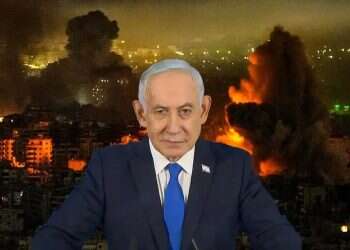
Israel and Lebanon have a history full of agreements that were not worth the paper they were written on. While the intentions of both sides are worthy, it is unclear how Lebanon will cope with attempts by Hezbollah and Iran to torpedo the agreement. Its implementation also depends on the US president, who could fall in love with the agreement even if it contradicts what is happening on the ground.
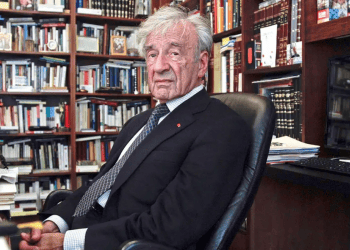
A decade after the world lost “Reb Elie,” the Holocaust’s most vital witness, his moral clarity is needed more than ever as vicious, unabashed antisemitism is back.
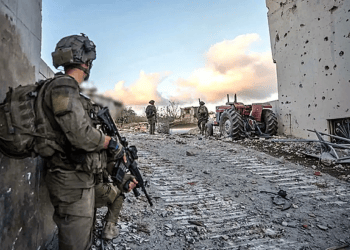
The exposure of the strategic tunnel in Majdal Zoun and the "UAV airfield," alongside declarations by Hezbollah and the Iranian regime regarding their commitment to Israel's destruction, sharpen the necessity for the IDF to remain in the buffer zone in Lebanon.
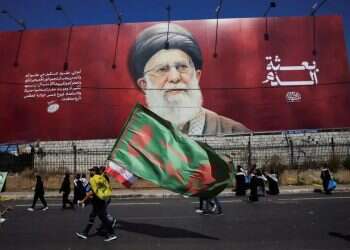
From Iran’s perspective, military pressure is not meant to defeat the enemy, but to influence the terms of the agreement reached through negotiations. Lebanon has become leverage over Washington and a means of increasing friction between the US and Israel. This is precisely the point that the Israeli government is struggling to internalize, or refuses to understand.
Israel’s lesson is that sovereignty matters most at the moment of decision: coalitions, Washington, and Europe are important, but none of them controls the final call. That responsibility ultimately rests with Jerusalem.
What message does Washington send to its allies if it implies that a powerful partner such as Israel is so vulnerable that it must accept every demand made by its protector?
Trump can say "enough" and sever the link between Hormuz and Lebanon. He almost did so when he threatened to "destroy Iran" if it did not rein in Hezbollah. Further insults to Iran could bring the talks crashing down.
The US president’s “good friend” is in fact a great friend of Hamas, directing attacks against us. It is time for Israel, too, to formally define as an enemy someone who defines us as one.
American pressure and the battle over Hezbollah’s future have placed Lebanon at the heart of the negotiations between Washington and Tehran. Israel must now choose between preserving its alliance with the US and meeting its security needs.
Trump’s capitulation to Iran has left Israel and Israelis deeply distressed. The world is now embracing a state whose ideology calls for “wiping the Zionist entity off the face of the earth.” Those words have been backed by actions. It was only by chance that Iran did not achieve that goal on Oct. 7, 2023. And yet Vice President JD Vance did not even demand that his new friends in Tehran stop using the slogans “Great Satan” and “Little Satan.” Has he forgotten the basics? What is going on here?