Israel Hayom is a media organization founded on the belief that the Israeli public deserves better journalism—more balanced, more accurate, and more reliable. Journalism that speaks rather than shouts. Journalism that is trustworthy, objective, and matter-of-fact. A different kind of journalism, offered free of charge.
The first print edition was published on July 30, 2007, and in 2010 Israel Hayom became the Israeli newspaper with the highest weekday readership. The newspaper’s publisher is Dr. Miriam Adelson. Its Editor-in-Chief is Omar Lachmanovitch, and its founding editor is Amos Regev.
Israel Hayom’s Hebrew and English websites, as well as its Android and iOS applications, provide around-the-clock news coverage, exclusive content, breaking news and updates, analysis and commentary, video, podcasts, and live broadcasts.
The digital platforms of Israel Hayom include news and opinion channels covering culture and entertainment, lifestyle, technology, sports, business and consumer affairs, health, military affairs, food, Judaism, tourism, and automobiles.
In 2021, a new Hebrew-language website and mobile application were launched to provide users with a fast, up-to-date, secure, and convenient experience.
The content of the newspaper’s print edition is also available online through a daily digital edition and can be received via newsletter.
“The Israel Hayom Clique,” the publication’s exclusive benefits club, offers website users discounts and special promotions on products and services.
Israel Hayom welcomes feedback, criticism, and suggestions for improvement from its readers. You can contact the organization by email at hayom@israelhayom.co.il
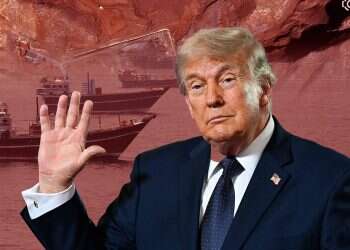
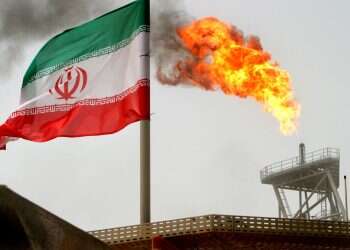
Opening Hormuz and granting sanctions waivers for oil exports could channel billions of dollars to the ayatollahs’ regime. Israel Hayom has also learned that US companies could take part in the joint $300 billion Iranian-Qatari fund.
The White House published the 14 clauses of the memorandum of understanding for ending the war against Iran within 60 days. The document reveals dramatic US concessions, including a massive economic development plan, the lifting of the naval blockade and permission for oil exports, in exchange for the opening of the Strait of Hormuz and the downblending of nuclear material.
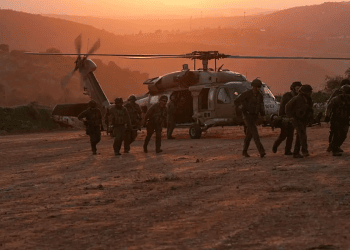
An explosive drone first hit near a Givati Brigade tank, then a second struck the evacuation vehicle – leaving one soldier in serious condition as the IDF responded with artillery.
Amir Fakhravar, head of the Iranian lobby in Washington, sharply criticizes the memorandum of understanding between the US and Iran, saying it gives the regime in Tehran a lifeline. In an interview with Israel Hayom, he said, "The Iranians' only hope now is the IDF," and that Israel must continue acting against the regime even without American backing.
According to a Saudi report, the Iran-US agreement includes timetables for an Israeli withdrawal and an end to the security deployment in southern Lebanon. Jerusalem has yet to respond to the matter.
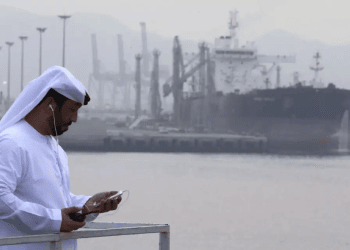
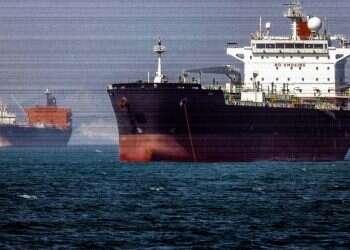
The US is effectively lifting sanctions on Iranian oil exports, despite its statements that funds will be transferred to Tehran only after it meets its commitments. The opening of the Strait of Hormuz alongside this move could bring Iran tens of billions of dollars in the coming months. According to information from energy companies, interest in buying oil from Iran is growing, even for short-term contracts.
Israel's security establishment believes the Lebanese front must not be connected to Iran and oppose an IDF withdrawal. At the same time, officials warn that despite progress in talks between Washington and Tehran, Israel must formulate a new strategy on Iran and prepare for the possibility that it will exploit the coming months to advance its nuclear program.
The British Defense Ministry confirmed Tuesday it was "investigating reports of an incident in the Channel." The vessel at the center of the incident was a UK-registered yacht, which reported being fired upon by a Russian navy ship.