Less than a day passed before the round of fighting with Iran ended, after both sides "accepted" President Donald Trump's request to cease fire. They did so while each side declared that it had upheld its principles and would not hesitate to act again in the future.
That reality is an almost certain recipe for another round of fighting, possibly in the near future. Iran made clear that it would act if Israel resumed attacks in Lebanon, this time not only in Beirut but also in the south of the country.
Israel, for its part, made clear that it would continue to operate in Lebanon, certainly as long as it is attacked by Hezbollah. Since the Israel Defense Forces has a large presence in southern Lebanon, Hezbollah attacks are a certainty. The organization was already active yesterday after the fighting with Iran had ended.
This is a dangerous strategic trap, in which Iran has tied Hezbollah and Lebanon to its own affairs, with Trump's support. It is also a dangerous precedent that could expand. Iran may now determine that any strike in Gaza, or in Judea and Samaria, will also be grounds for escalation on its part, while other countries, Turkey for example, could be tempted into similar adventures.
Even before that, Iranian pressure was joined Monday by pressure from the Houthis, who announced the closure of the Bab el-Mandeb Strait to ships bound for Israel. This is a direct result of the global failure, led by the US, to handle the Hormuz crisis, a vital passage like Bab el-Mandeb, which appears to have increased the Houthis' appetite for bullying behavior, similar to that of their patron. Israel may be forced to use military force to restrain the Houthis, as it has done in the past.
They paid a price, but did not learn
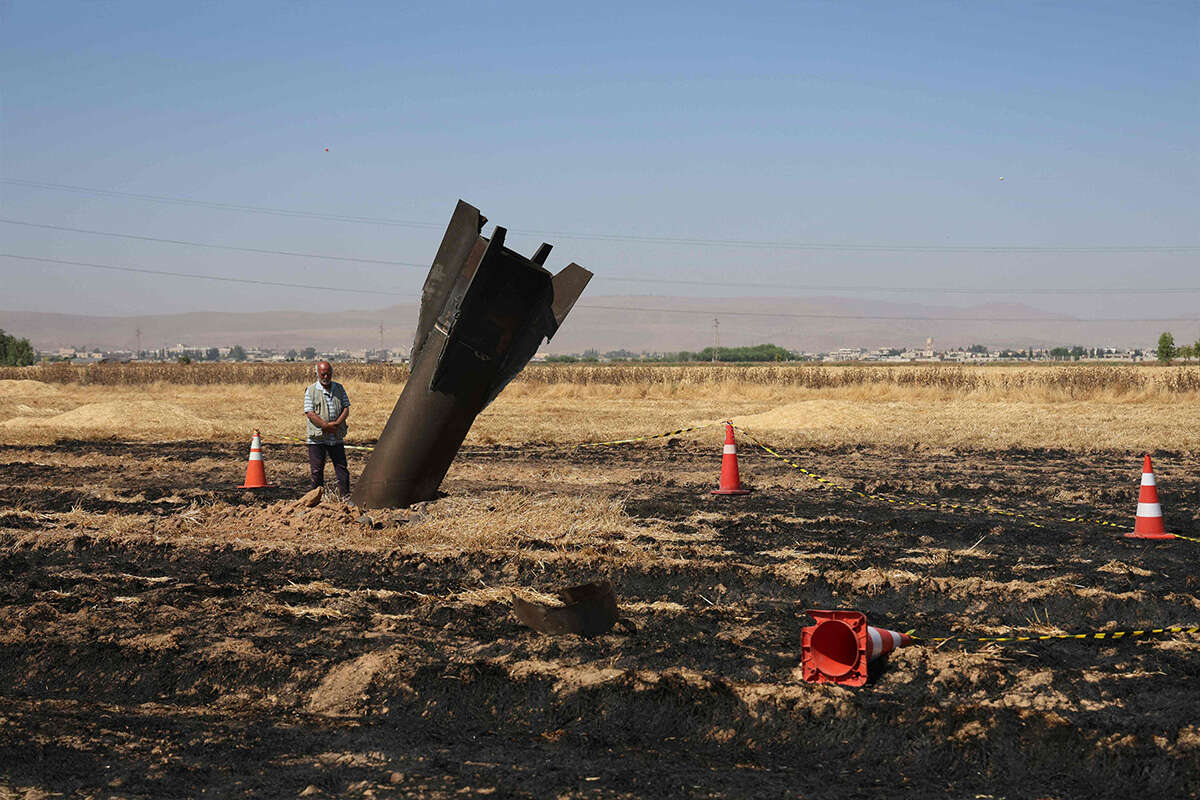
In Israel, officials claimed in closed conversations that Iran was in fact the one that had learned the lesson. A senior official said its attempt to unite the fronts had cost it in strikes on targets inside its territory, including air defense systems and factories linked to the missile industry. The strike aimed at petrochemical plants was an attempt to signal to Iran what would happen to its national infrastructure if the escalation continued.
It is doubtful that those strikes truly deterred the Iranian regime, which is drunk on power after enduring weeks of war. The sense in Tehran, not without foundation, is that Iran, though battered militarily, emerged from the campaign strategically strengthened, while Israel and the US, which struck it, were weakened.
Contributing to this were the Americans' hesitant handling of the negotiations and their empty threats to use force, as well as pressure from Gulf states worried about deeper damage to their infrastructure, as Iran threatened would happen if the war resumed.
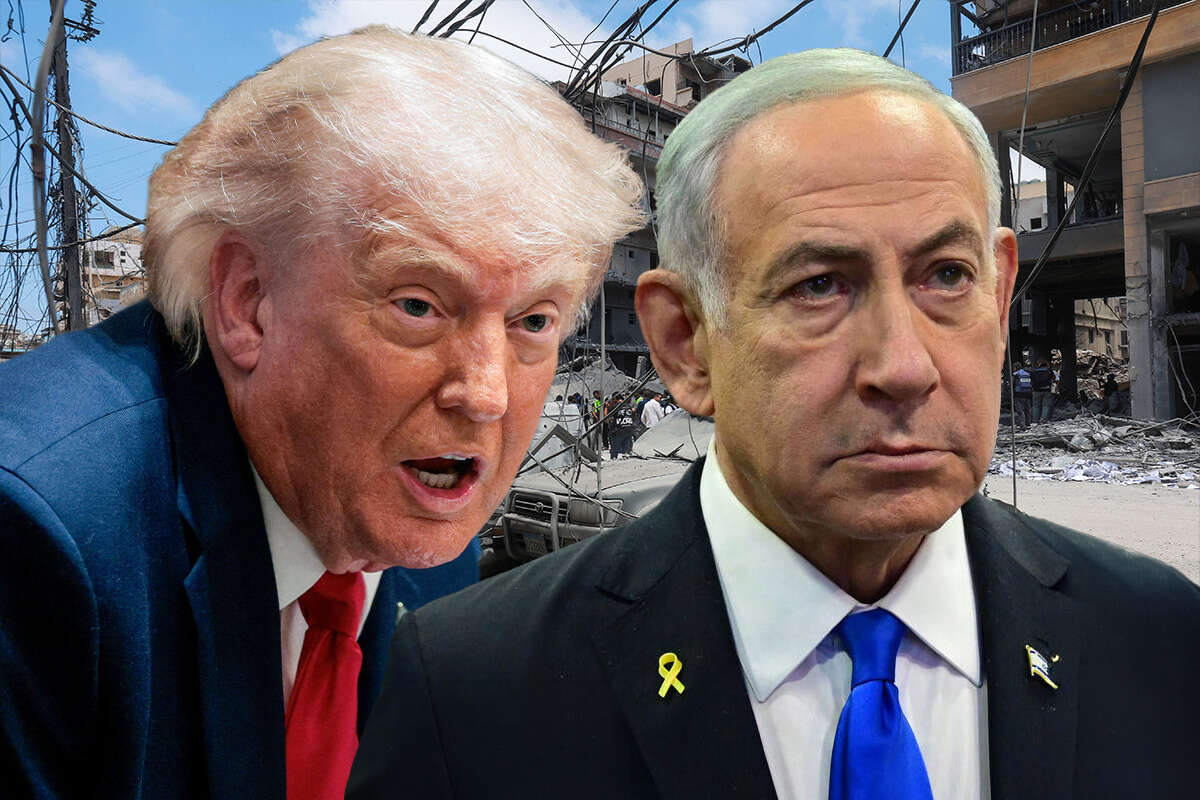
Speculation spread on social media Monday that the Israeli strikes had been coordinated with Trump. In this way, Israel was able to show "independence", even if only briefly, while Trump was able to remind Iran that it could pay a price if it continued to mock and delay negotiations over an agreement, without the US taking an active part in the escalation. Washington limited itself to a defensive posture, and this time its refueling aircraft were not made available to the Israeli Air Force.
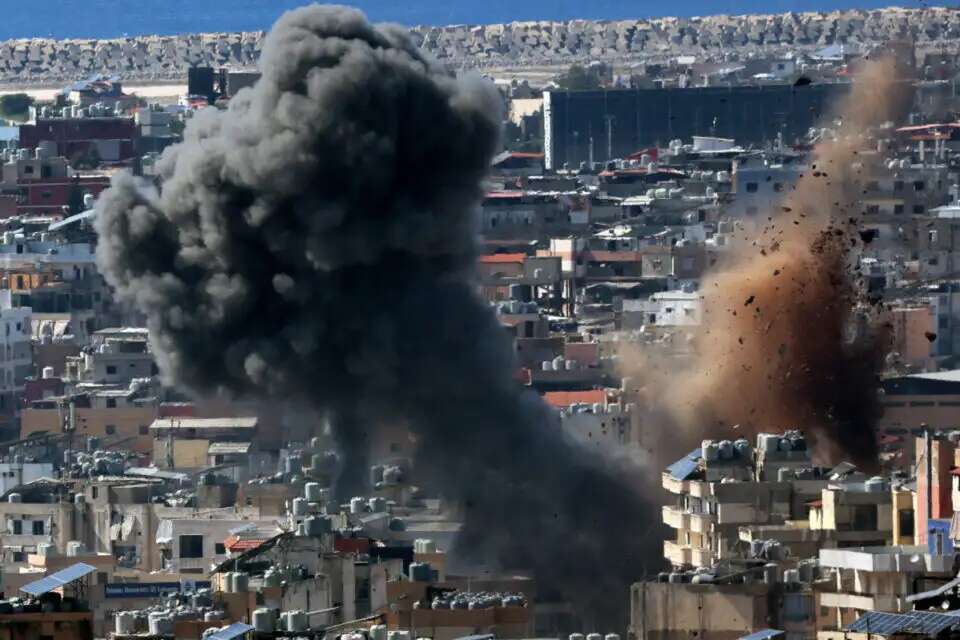
It cannot be ruled out that some coordination did take place between the sides, which had already acted together in the two previous campaigns against Iran. Even so, Israel will struggle to claim that it restrained the Iranians. Its actions, or more precisely, the actions it did not take, require explanation. It is unclear, for example, why Israel settled for a single symbolic strike in Beirut the day before yesterday, against a Hezbollah command post that housed low-ranking operatives.
Zero explanations
That strike, which ignited the fire with Iran, gave Israel a perfect pretext to act with great aggression in Beirut in order to create real deterrence, but that did not happen. The strikes in Iran were also relatively measured, recalling the days of signaling in Gaza that preceded Oct. 7.
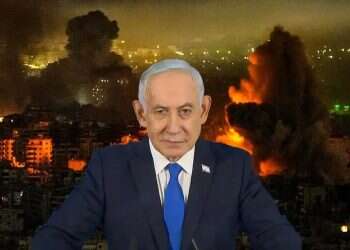
But in this round of fighting too, as in previous ones, Prime Minister Benjamin Netanyahu avoided offering explanations or answers and made do with a recorded statement. Most of the information is coming from Washington or through leaks. The Israeli public is left with question marks over the continuation of the campaign in Lebanon and its objectives, as well as future policy toward Iran.
"Dahiyeh in Beirut will be treated like the communities of the north," Minister Israel Katz tweeted after the fire had stopped. "Any attack on the communities of the north will lead to an attack in Dahiyeh. We reject Iran's threats outright. Any Iranian attempt to link Lebanon and Iran, and to attack Israel, will be met with great force, as happened yesterday." As stated, it is doubtful this game of chicken will deter the Iranians. It is more likely to bring the next escalation closer, which could further erode Israeli deterrence.
A reality of repeated rounds of fighting with Iran is not in Israel's interest. It has dramatic implications for the economy, aviation and tourism, and national resilience. If Israel believed it had to strike Beirut forcefully, and it did, then it should have done so. If it believed it had to respond forcefully in Iran, and it did, then it should have done so. It would have been better to go through another difficult campaign now in order to achieve meaningful deterrence, rather than slide into an open, multi-round war.