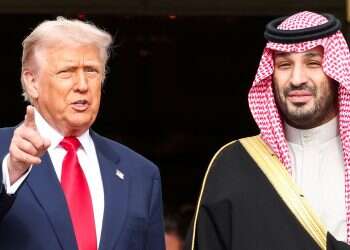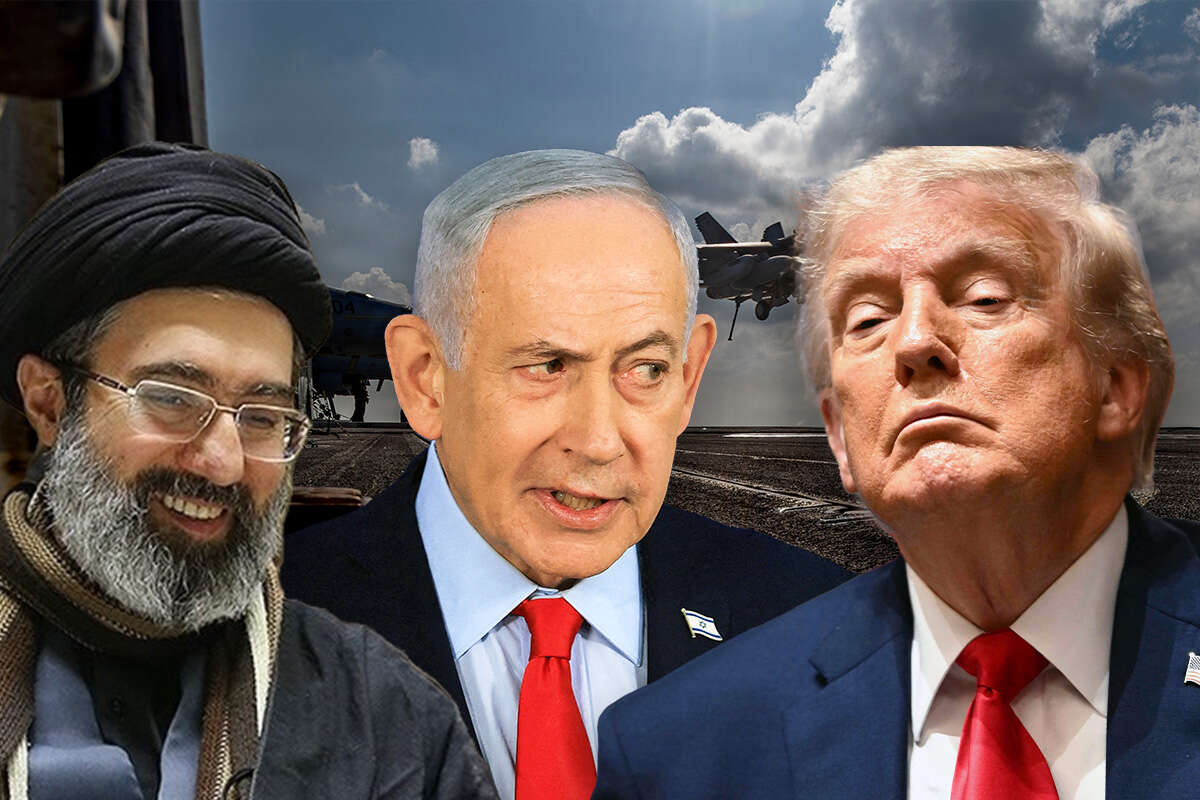
The meaning is clear: The war is over, at least for now. Still, this is Trump we are talking about. The regime in Tehran remains on its feet, while continuing, for now, to hold on to the enriched uranium. The United States is turning to other matters, from the World Cup, through celebrations marking 250 years of independence, to the midterm elections. Israel is left with the concerns.

Unless there is a surprising change, the war with Iran will be remembered as one in which the side that won militarily lost strategically, and the side that lost militarily won strategically. In other words: Israel hit Iran hard, but failed to achieve its strategic goals and emerged from the campaign weaker than when it entered it. Iran, by contrast, suffered unprecedented blows and emerged from the war stronger than it had been on Feb. 27.
The goals that were not achieved
This is the direct result of flawed management, mixed with wishful thinking, at the strategic level. There were four central issues in this war, and two secondary ones.
The first issue was toppling the regime: Israel said it was possible, and the US was persuaded. Tehran's top leadership was indeed eliminated, but successors rose in its place who appear very stable, and even more extreme and dangerous than their predecessors.
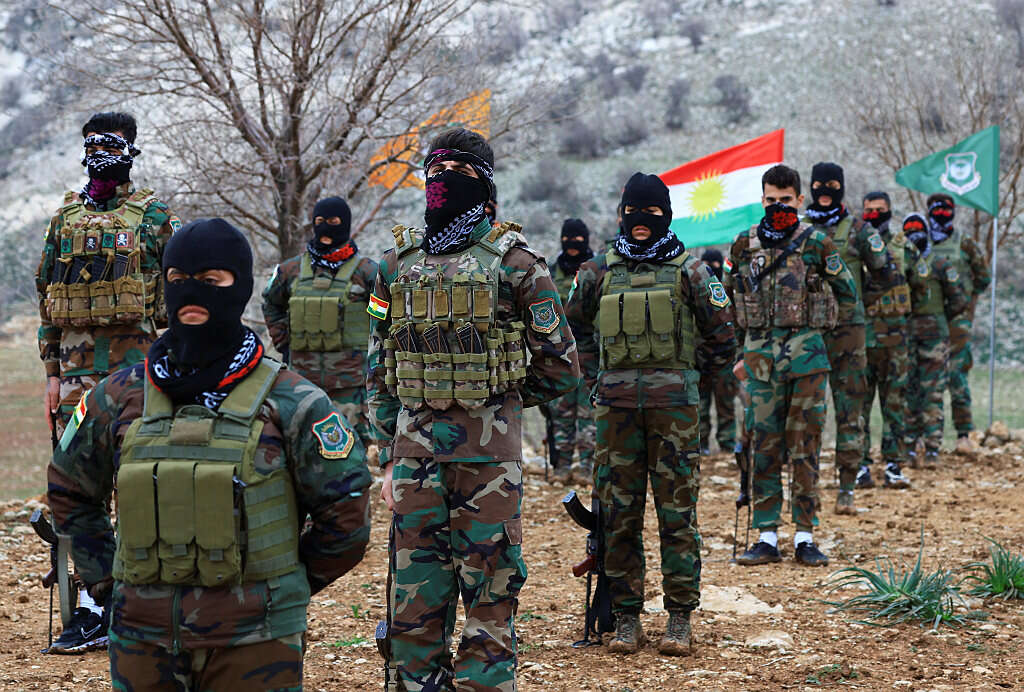
The fantasy that was nurtured, as if 25,000 Kurdish fighters would decide the campaign, also failed to materialize, and even had it happened, it would not have achieved anything.
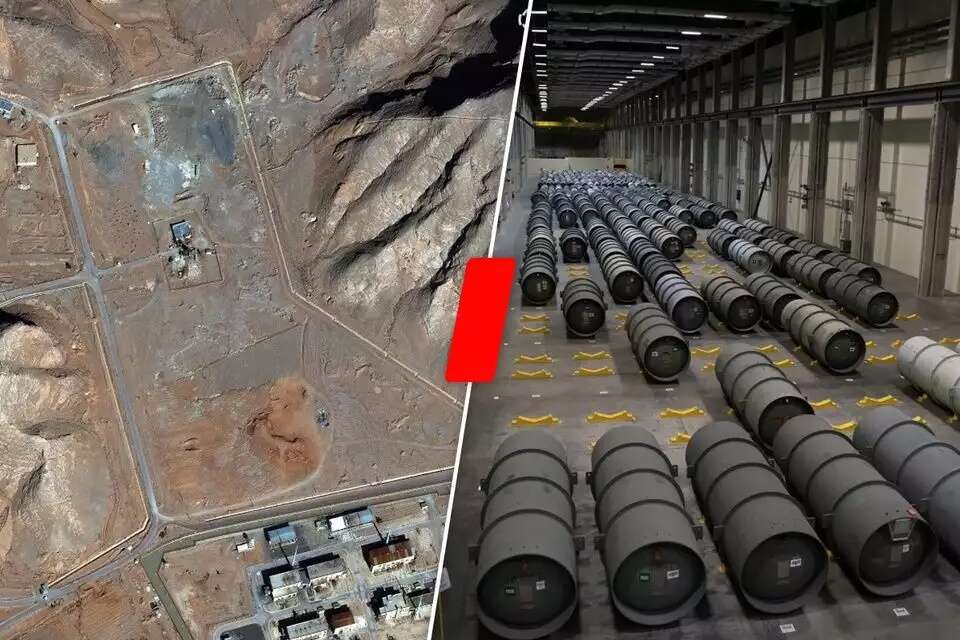
The second issue is the nuclear program. The declared goal of the campaign was to remove from Iran's hands the 440 kilograms of uranium enriched to 60%, as well as the tons enriched to lower levels.
That did not happen, and it is doubtful it will happen in full. The meaning is that Iran, even if it declares otherwise and swears to it in writing, will remain a step away from military nuclear capability.
The third issue is the Strait of Hormuz. This will be the main achievement of the US-Iranian agreement, but it is an illusion: The strait was open on the eve of the war to unrestricted ship traffic.
The only thing that happened is that Iran proved it could close it, and in the future it may even again demand physical and economic control over it.

The fourth issue is Iranian money frozen around the world, up to $300 billion, as well as Iran's ability to resume oil exports without restrictions. On the eve of the war, Iran was under crippling sanctions that had driven its economy to an unprecedented low, with the local currency already nearing 2 million rials to the dollar.
Tehran is now expected to gradually receive funds and export oil, breathing life into its economy. This will reduce the internal threat to the regime, and it will increase the external threat because the regime will have much more money for military buildup.
And, as noted, there are two additional secondary issues. One concerns the missile project. Israel demanded restrictions on Iran's ability to manufacture and acquire missiles, and was disappointed in this regard.
The second concerns the funding of proxy organizations, which also will not be included in the agreement. Worse still: Iran managed to tie Hezbollah and Lebanon to its own case, and to limit the Israel Defense Forces' freedom of action near northern Israel. Here too, Israel is weaker and more constrained today than it was on the eve of the war.
Trump and the American interest
Various figures around the government criticized Trump and claimed he had disappointed Israel. Some even used different variations of the Hebrew root meaning betrayal. The remarks were not made openly, since the US is essential to Israel, and Trump is essential to Netanyahu, but it must be admitted that they contain no small measure of hypocrisy. Trump went along with Israel's whims in the various fronts until he understood that they were futile or ran counter to his country's interests.
That happened in Gaza, with the freedom of action given to the IDF that did not produce a decisive victory, until Trump forced an agreement on the sides that returned the hostages to Israel and stopped the war. It also happened regarding Israel's military freedom of action in Syria, and it is happening now in Iran, and by implication in Lebanon. As his deputy, JD Vance, said: "Israel may like that, they may not like that, but fundamentally, we think this is in the best interest of the United States of America."

This state of affairs leaves Israel in a difficult strategic tangle. It is not only the growing disconnect from Washington, as the whole world sees and hears, but also the race by Iran's neighbors to engage with it. Until a few weeks ago, Jerusalem was fantasizing about expanding the Abraham Accords to Saudi Arabia, Qatar and Pakistan. Now the effort will be to preserve what already exists.
With the rift with many European countries widening in the background, including calls for boycotts in almost every possible field, Israel needs a clear strategic plan, certainly when northern Israel is under fire, and the government's declarations about freedom of action against Hezbollah are proving hollow.