Israel Hayom is a media organization founded on the belief that the Israeli public deserves better journalism—more balanced, more accurate, and more reliable. Journalism that speaks rather than shouts. Journalism that is trustworthy, objective, and matter-of-fact. A different kind of journalism, offered free of charge.
The first print edition was published on July 30, 2007, and in 2010 Israel Hayom became the Israeli newspaper with the highest weekday readership. The newspaper’s publisher is Dr. Miriam Adelson. Its Editor-in-Chief is Omar Lachmanovitch, and its founding editor is Amos Regev.
Israel Hayom’s Hebrew and English websites, as well as its Android and iOS applications, provide around-the-clock news coverage, exclusive content, breaking news and updates, analysis and commentary, video, podcasts, and live broadcasts.
The digital platforms of Israel Hayom include news and opinion channels covering culture and entertainment, lifestyle, technology, sports, business and consumer affairs, health, military affairs, food, Judaism, tourism, and automobiles.
In 2021, a new Hebrew-language website and mobile application were launched to provide users with a fast, up-to-date, secure, and convenient experience.
The content of the newspaper’s print edition is also available online through a daily digital edition and can be received via newsletter.
“The Israel Hayom Clique,” the publication’s exclusive benefits club, offers website users discounts and special promotions on products and services.
Israel Hayom welcomes feedback, criticism, and suggestions for improvement from its readers. You can contact the organization by email at hayom@israelhayom.co.il
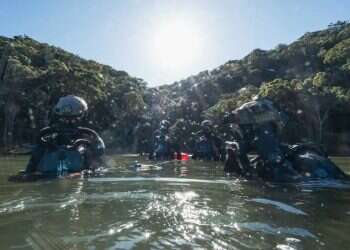
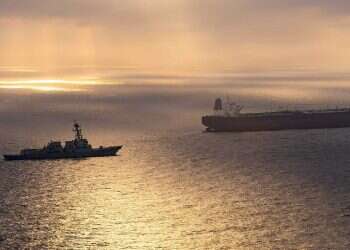
The Financial Times reports Navy SEAL divers spent four months conducting a covert mine-clearing operation in the Strait of Hormuz, mostly under cover of darkness. Mission involved rubber boats, robotic vessels and underwater systems, while US Navy minesweepers remained outside the area. While shipowners believe the southern shipping route has been cleared, they doubt the entire strait is mine-free.
Sarah Khalifa and 11 other defendants convicted of manufacturing and trafficking synthetic drugs. Authorities seized more than 750 kilograms (1,653 pounds) of drugs and raw materials and found two apartments used as laboratories. The verdict can be appealed.
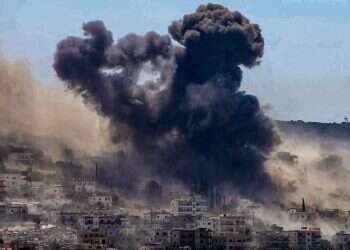
Tehran told Washington that officers from its Revolutionary Guards are embedded with Hezbollah terrorists at the Ali al-Taher ridge, and that a full-scale Israeli assault there would trigger a large-scale Iranian response, Reuters reported.
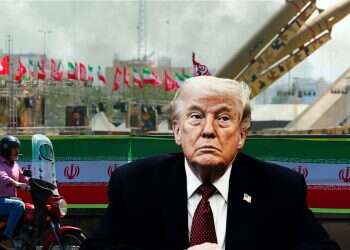
War Secretary Pete Hegseth quietly extends Middle East deployments, with some 50,000 troops, 19 warships and two aircraft carriers to remain in region. In private talks, Trump reportedly says he is leaning toward declaring the campaign over.
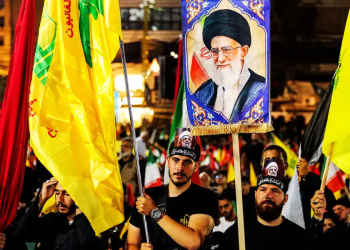
Officials say Tehran, squeezed by a historic financial siege, may push Hezbollah to disrupt Lebanon talks and holiday celebrations, even as the Iranian rial hits a record low and a Mashhad resident describes going weeks without meat.
Turkish leader breaks silence on the "Achilles' Shield" pact without naming Israel directly, while Milliyet reports a formal Turkish warning was delivered to Athens over Aegean tensions.
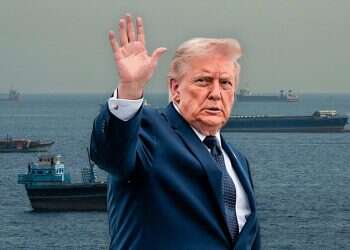
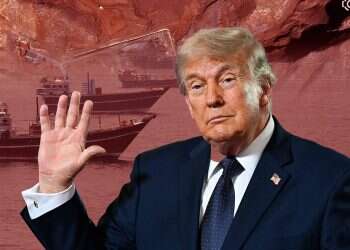
US strikes Revolutionary Guards targets near Strait of Hormuz followed by Trump warning Iranian retaliation will bring a far harsher attack. Revolutionary Guards say US "will regret its new attacks" as American embassies warn of potential for unforeseen escalation.
A US official said American forces struck two rocket launchers on Larak Island that were preparing to fire naval mines toward the Strait of Hormuz. The operation comes amid threats by Iran's Revolutionary Guards to block the shipping route and as the Trump administration intensifies economic pressure on Tehran.
Strikes inflicted severe damage on Iran's military but failed to trigger an uprising or fracture the regime. The Trump administration is now betting on tougher sanctions, while experts struggle to ascertain what Washington ultimately hopes to achieve.
US Treasury seeks to cut Egyptian bank’s UAE branch off from US financial system after it allegedly processed $1.8 billion for Iran’s “shadow banking” networks. Sanctions were also imposed on an Iranian bank executive and a Hong Kong company.