Israel Hayom is a media organization founded on the belief that the Israeli public deserves better journalism—more balanced, more accurate, and more reliable. Journalism that speaks rather than shouts. Journalism that is trustworthy, objective, and matter-of-fact. A different kind of journalism, offered free of charge.
The first print edition was published on July 30, 2007, and in 2010 Israel Hayom became the Israeli newspaper with the highest weekday readership. The newspaper’s publisher is Dr. Miriam Adelson. Its Editor-in-Chief is Omar Lachmanovitch, and its founding editor is Amos Regev.
Israel Hayom’s Hebrew and English websites, as well as its Android and iOS applications, provide around-the-clock news coverage, exclusive content, breaking news and updates, analysis and commentary, video, podcasts, and live broadcasts.
The digital platforms of Israel Hayom include news and opinion channels covering culture and entertainment, lifestyle, technology, sports, business and consumer affairs, health, military affairs, food, Judaism, tourism, and automobiles.
In 2021, a new Hebrew-language website and mobile application were launched to provide users with a fast, up-to-date, secure, and convenient experience.
The content of the newspaper’s print edition is also available online through a daily digital edition and can be received via newsletter.
“The Israel Hayom Clique,” the publication’s exclusive benefits club, offers website users discounts and special promotions on products and services.
Israel Hayom welcomes feedback, criticism, and suggestions for improvement from its readers. You can contact the organization by email at hayom@israelhayom.co.il
In early January, after meetings at the Prime Minister's Office's 8th floor and at the Kirya in Tel Aviv, it was clear: Israel had crossed the Rubicon; there was no way back. Meticulous planning, and a masterful deception campaign aided by the US, fooled Iran into thinking it was safe.
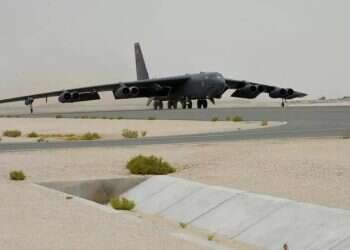
The world is tensely awaiting Iran's response to the American strike on its nuclear facilities. The Islamic Republic has a wide array of American targets within its reach, but a closer look reveals that none of them comes without a cost.
The International Atomic Energy Agency assessed that the centrifuges at the Natanz nuclear facility were already out of operation before the US bombing. According to three senior Iranian officials, the attack occurred at 2:30 a.m. local time. The most complex target was Isfahan, where uranium was being processed into weapons-grade material. It remains unclear whether Iran managed to move the nuclear fuel from the site before the strike.
Northeast of the city of Qom lies a facility that is virtually immune to conventional airstrikes. From the inside, it reveals the deepest and most formidable challenge in the campaign against Iran.
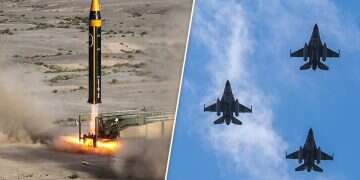
Magen David Adom reported receiving approximately ten reports of impact sites across Israel after 35 missiles fired. Several casualties reported, mostly with light injuries, but two were in serious condition.