Israel Hayom is a media organization founded on the belief that the Israeli public deserves better journalism—more balanced, more accurate, and more reliable. Journalism that speaks rather than shouts. Journalism that is trustworthy, objective, and matter-of-fact. A different kind of journalism, offered free of charge.
The first print edition was published on July 30, 2007, and in 2010 Israel Hayom became the Israeli newspaper with the highest weekday readership. The newspaper’s publisher is Dr. Miriam Adelson. Its Editor-in-Chief is Omar Lachmanovitch, and its founding editor is Amos Regev.
Israel Hayom’s Hebrew and English websites, as well as its Android and iOS applications, provide around-the-clock news coverage, exclusive content, breaking news and updates, analysis and commentary, video, podcasts, and live broadcasts.
The digital platforms of Israel Hayom include news and opinion channels covering culture and entertainment, lifestyle, technology, sports, business and consumer affairs, health, military affairs, food, Judaism, tourism, and automobiles.
In 2021, a new Hebrew-language website and mobile application were launched to provide users with a fast, up-to-date, secure, and convenient experience.
The content of the newspaper’s print edition is also available online through a daily digital edition and can be received via newsletter.
“The Israel Hayom Clique,” the publication’s exclusive benefits club, offers website users discounts and special promotions on products and services.
Israel Hayom welcomes feedback, criticism, and suggestions for improvement from its readers. You can contact the organization by email at hayom@israelhayom.co.il
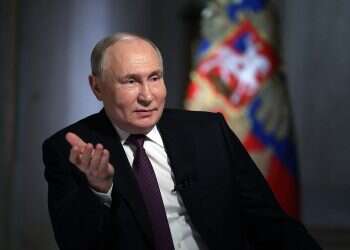
Investigative journalist Krystyna Kurczab-Redlich claims that Putin was born in 1950, not 1952, to a mother from the Ural Mountains, not Leningrad. Kurczab-Redlich is not the first to delve into the unofficial version of the Russian president's biography, but her sensational book about Vova's childhood sheds new light on the psychology of the adult Putin.
The deadlock in negotiations for the release of the hostages, coupled with American accusations against Hamas, has paved the way for Israel to launch the Rafah offensive. The IDF's starting position is better than those at the beginning of the campaign in northern Gaza or the Khan Younis area. The enemy will now be entering combat with a command echelon that has been depleted.
The government's lack of leadership during crises has led to a reliance on NGOs to manage various aspects of Israeli society, highlighting the need for a professional advisory body to coordinate strategic assistance for less-visible socioeconomic needs.