Israel Hayom is a media organization founded on the belief that the Israeli public deserves better journalism—more balanced, more accurate, and more reliable. Journalism that speaks rather than shouts. Journalism that is trustworthy, objective, and matter-of-fact. A different kind of journalism, offered free of charge.
The first print edition was published on July 30, 2007, and in 2010 Israel Hayom became the Israeli newspaper with the highest weekday readership. The newspaper’s publisher is Dr. Miriam Adelson. Its Editor-in-Chief is Omar Lachmanovitch, and its founding editor is Amos Regev.
Israel Hayom’s Hebrew and English websites, as well as its Android and iOS applications, provide around-the-clock news coverage, exclusive content, breaking news and updates, analysis and commentary, video, podcasts, and live broadcasts.
The digital platforms of Israel Hayom include news and opinion channels covering culture and entertainment, lifestyle, technology, sports, business and consumer affairs, health, military affairs, food, Judaism, tourism, and automobiles.
In 2021, a new Hebrew-language website and mobile application were launched to provide users with a fast, up-to-date, secure, and convenient experience.
The content of the newspaper’s print edition is also available online through a daily digital edition and can be received via newsletter.
“The Israel Hayom Clique,” the publication’s exclusive benefits club, offers website users discounts and special promotions on products and services.
Israel Hayom welcomes feedback, criticism, and suggestions for improvement from its readers. You can contact the organization by email at hayom@israelhayom.co.il
Citing enormous amount of materials to be examined, Netanyahu's lawyers say they need more time to prepare their defense for the three criminal corruption cases against the PM.
National security officials head to Capitol Hill for unusual and potentially polarizing briefings as tensions mount in the Persian Gulf. Democrats, skeptical of Iran policy, seek outside opinion. Iranian President Hassan Rouhani tells clerics he wants expanded, wartime executive powers to better deal with "economic war."
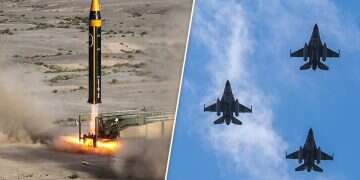
The main players – the United States, Israel, Iran, Saudi Arabia, United Arab Emirates, Hezbollah, Yemen's Houthi rebels and Shiite militias in Iraq – are all capable of igniting or exacerbating a conflagration.
Those who seek to make the Jews the scapegoat for a conflict between the U.S. and the ayatollah regime are just as wrong as those who failed to see the threat to peace presented by the Iran nuclear deal.