

Israel's historic miss on its northern borders
Israel failed to understand in real time that Syria as a unified and stable state would pose a strategic threat to it, and allowed the regime to entrench itself. Doubt is already beginning to creep in.

Israel failed to understand in real time that Syria as a unified and stable state would pose a strategic threat to it, and allowed the regime to entrench itself. Doubt is already beginning to creep in.
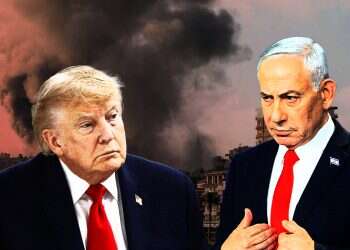
Israel finds itself as the only country in the world publicly opposed to an agreement between the US and Iran, after their militaries fought together. The prime minister must replicate steps similar to those he has taken over the past 15 years, both against Iran and US presidents. This is the only way to stop the rapid erosion of Israel's strategic standing.
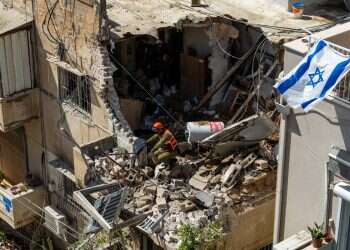
Israelis, Iranians and Americans have seen this cycle before. We know how it ends.

Ironically, it seems Netanyahu may yet miss the days of confrontation with Obama. If the agreement is indeed signed, Jerusalem will find itself facing a new reality forced upon it, and this time, the tools it once had to change the harsh decree are no longer available.

The deal gives the Iranian regime a lifeline from the lowest point it has reached and resources to rebuild its capabilities. Instead of forcing Tehran to sever its ties with Lebanon, it strengthens Iran's hold there. With an outcome like this, the Trump administration is making itself a laughingstock in the countries of the region.
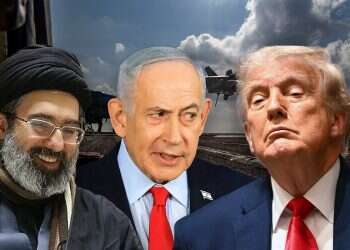
Israel may have delivered severe blows to Tehran, yet the regime still stands and the enriched uranium still in its hands. With Washington pursuing its own deal to open the Strait of Hormuz, Jerusalem is left more isolated and constrained than before.

Prime Minister Benjamin Netanyahu and Defense Minister Israel Katz have made clear that Israel reserves the right to act against Iran’s nuclear program. But at the negotiating stage, US President Donald Trump is the only factor that can restrain Israeli action against Tehran and Hezbollah. The emerging agreement could neutralize the nuclear threat, but it also gives the ayatollahs’ regime a new lease on life.

In stark contrast to Israel’s achievements since Oct. 7, the US president is handing the Iranians control over Lebanon, breathing room for Hezbollah, cash and legitimacy for the regime. Apart from the immediate act of reopening the Strait of Hormuz, all other Iranian promises are future commitments and will be discussed in future negotiations, in which they will undoubtedly wear down Trump and his team, just as they have done so far.

For months, the Mossad built an infrastructure meant to create the conditions for bringing down the ayatollah regime, believing that economic pressure would ignite an uprising from within. Now, with the negotiations between Washington and Tehran in jeopardy, the Mossad's grand plan is reaching its defining moment.

Against the backdrop of three years of war, it feels as if someone pressed pause on our lives. The question is, how can we keep living, choosing, and building until this is over?