

Israel is no longer only an air power
The Air Force remains Israel's spear, but the country's lifelines – trade, energy, communications – run through a Mediterranean that Ankara is working to close.

The Air Force remains Israel's spear, but the country's lifelines – trade, energy, communications – run through a Mediterranean that Ankara is working to close.

History shows that when Jerusalem has folded under American pressure, it has earned contempt, while when it has insisted on its sovereign security needs, it has earned respect. Now, as Hezbollah threatens the north and President Donald Trump pursues a deal while expecting absolute obedience, Israel's leaders must not repeat the mistakes of the past. If history is our guide, Israel has no choice but to act independently in the fateful campaign for its future.
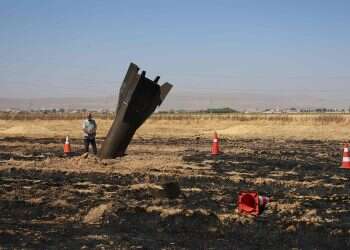
The short round of fighting created a dangerous precedent linking Iran to Lebanon. Defense Minister Katz may have declared that “Dahiyeh will be treated like the communities of the north,” but it is doubtful this game of chicken will deter the ayatollahs’ regime. It is more likely to bring the next escalation closer.

Trump’s order is not perfect. It requires oversight, transparency, responsibility, and caution. But it does one thing right: it moves the system forward.
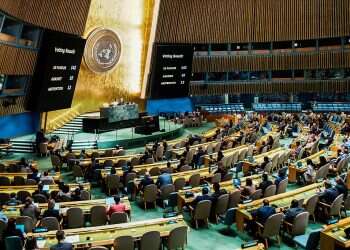
When the body responsible for documenting sexual violence in conflict refuses to visit the sites it is investigating, declines the evidence offered to it, and cannot verify claims in its own report, then what credibility does it have?

The Houthis' immediate intervention in the recent exchange of fire outlines an intolerable reality. In Tehran, they went all in to save Hezbollah. Instead of symbolic responses, it would be better to focus on the main objective: eliminating the terrorist organization's leadership and striving for an effective agreement with the Lebanese government.

The Israeli strike in Beirut was the first sign of independence from Washington, but the real test will be whether it changes the reality over time. Iran is signaling that it will not continue firing if Israel does not respond, and the question is how and on what scale to hit back without being dragged into open war.

The exchanges of fire in the Gulf over the past several nights are not a passing incident, but an expression of a new strategic outlook Tehran has been shaping since the war. The collapse of its regional proxy doctrine has led Iran’s leadership to conclude that direct and controlled friction with the US will rebuild its deterrence. Within Tehran’s internal strategic debate, the nuclear component is also gradually coming to the fore, and the North Korean model is becoming a point of reference.
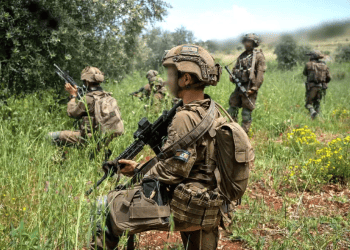
Trump's concessions to Tehran are emboldening the regime – and undermining his own goals.

Early fears that the US president would “turn” on Israel have become a resounding strategic blow with the leak of the harsh phone call. The operational restraint in Beirut and the jarring tones from the White House now place the flagship project of rolling back Iran’s nuclear program and striking Tehran under a major question mark.