Israel Hayom is a media organization founded on the belief that the Israeli public deserves better journalism—more balanced, more accurate, and more reliable. Journalism that speaks rather than shouts. Journalism that is trustworthy, objective, and matter-of-fact. A different kind of journalism, offered free of charge.
The first print edition was published on July 30, 2007, and in 2010 Israel Hayom became the Israeli newspaper with the highest weekday readership. The newspaper’s publisher is Dr. Miriam Adelson. Its Editor-in-Chief is Omar Lachmanovitch, and its founding editor is Amos Regev.
Israel Hayom’s Hebrew and English websites, as well as its Android and iOS applications, provide around-the-clock news coverage, exclusive content, breaking news and updates, analysis and commentary, video, podcasts, and live broadcasts.
The digital platforms of Israel Hayom include news and opinion channels covering culture and entertainment, lifestyle, technology, sports, business and consumer affairs, health, military affairs, food, Judaism, tourism, and automobiles.
In 2021, a new Hebrew-language website and mobile application were launched to provide users with a fast, up-to-date, secure, and convenient experience.
The content of the newspaper’s print edition is also available online through a daily digital edition and can be received via newsletter.
“The Israel Hayom Clique,” the publication’s exclusive benefits club, offers website users discounts and special promotions on products and services.
Israel Hayom welcomes feedback, criticism, and suggestions for improvement from its readers. You can contact the organization by email at hayom@israelhayom.co.il
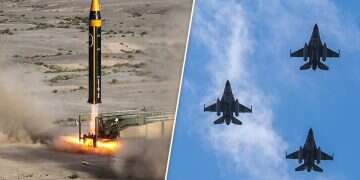
Regarding Iran's recent missile attack on Israel on Tuesday, Herzog described it as "extremely unpleasant" but refrained from providing details on potential retaliation. He emphasized ongoing dialogue with the United States on strategic and operational considerations.
The op's first phase began in 2015 with the introduction of booby-trapped walkie-talkies into Lebanon. According to the Washington Post, "the mobile two-way radios contained oversized battery packs, a hidden explosive and a transmission system that gave Israel complete access to Hezbollah communications."
The arsenal included launchers, mortars, mines, explosive devices, anti-tank missiles, and grenades, among other armaments. All seized materiel will be transferred to Israeli territory for further analysis.
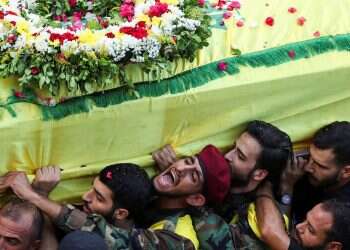
Amin al-Sayyed, head of Hezbollah's political council, is poised to assume the role of secretary-general after Hashem Safi al-Din's apparent killing in an Israeli targeted strike on Beirut, Arab media reports.