Israel Hayom is a media organization founded on the belief that the Israeli public deserves better journalism—more balanced, more accurate, and more reliable. Journalism that speaks rather than shouts. Journalism that is trustworthy, objective, and matter-of-fact. A different kind of journalism, offered free of charge.
The first print edition was published on July 30, 2007, and in 2010 Israel Hayom became the Israeli newspaper with the highest weekday readership. The newspaper’s publisher is Dr. Miriam Adelson. Its Editor-in-Chief is Omar Lachmanovitch, and its founding editor is Amos Regev.
Israel Hayom’s Hebrew and English websites, as well as its Android and iOS applications, provide around-the-clock news coverage, exclusive content, breaking news and updates, analysis and commentary, video, podcasts, and live broadcasts.
The digital platforms of Israel Hayom include news and opinion channels covering culture and entertainment, lifestyle, technology, sports, business and consumer affairs, health, military affairs, food, Judaism, tourism, and automobiles.
In 2021, a new Hebrew-language website and mobile application were launched to provide users with a fast, up-to-date, secure, and convenient experience.
The content of the newspaper’s print edition is also available online through a daily digital edition and can be received via newsletter.
“The Israel Hayom Clique,” the publication’s exclusive benefits club, offers website users discounts and special promotions on products and services.
Israel Hayom welcomes feedback, criticism, and suggestions for improvement from its readers. You can contact the organization by email at hayom@israelhayom.co.il
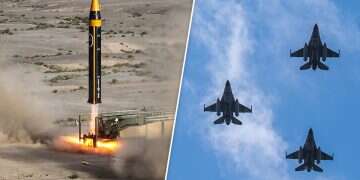
Following reports that Iran launched 30 ballistic missiles, the IDF has raised its alert level across all fronts and is preparing for the possibility of a targeted strike on Iran. Fears of an escalation in the Strait of Hormuz are also mounting.
In an exclusive interview with Israel Hayom, CEO of the Conference of European Rabbis Foundation says EU offers close relationship but no real change, as Muslim Brotherhood financing goes uninvestigated and Jews abroad are blamed for Israeli government policy.
The Trump administration is quietly orchestrating a sweeping diplomatic maneuver in the Middle East, pushing for a broad Israeli unity government that would secure regional peace agreements in exchange for the Likud leader stepping down after serving a truncated term.
PM discloses that a direct and firm warning to Syria's new leadership successfully saved Druze lives in southern Syria, vowing to protect the minority.
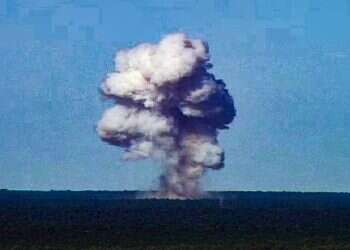
CNN reports that Washington is considering using its most powerful conventional bomb, MOAB, against Iran. However, the depth of Tehran's underground facilities and its advanced air defense network could make deploying the massive weapon difficult.