Israel Hayom is a media organization founded on the belief that the Israeli public deserves better journalism—more balanced, more accurate, and more reliable. Journalism that speaks rather than shouts. Journalism that is trustworthy, objective, and matter-of-fact. A different kind of journalism, offered free of charge.
The first print edition was published on July 30, 2007, and in 2010 Israel Hayom became the Israeli newspaper with the highest weekday readership. The newspaper’s publisher is Dr. Miriam Adelson. Its Editor-in-Chief is Omar Lachmanovitch, and its founding editor is Amos Regev.
Israel Hayom’s Hebrew and English websites, as well as its Android and iOS applications, provide around-the-clock news coverage, exclusive content, breaking news and updates, analysis and commentary, video, podcasts, and live broadcasts.
The digital platforms of Israel Hayom include news and opinion channels covering culture and entertainment, lifestyle, technology, sports, business and consumer affairs, health, military affairs, food, Judaism, tourism, and automobiles.
In 2021, a new Hebrew-language website and mobile application were launched to provide users with a fast, up-to-date, secure, and convenient experience.
The content of the newspaper’s print edition is also available online through a daily digital edition and can be received via newsletter.
“The Israel Hayom Clique,” the publication’s exclusive benefits club, offers website users discounts and special promotions on products and services.
Israel Hayom welcomes feedback, criticism, and suggestions for improvement from its readers. You can contact the organization by email at hayom@israelhayom.co.il
Turkey continues to reject the historical record of the Pontic Greek genocide. A state that demands scrutiny of another country’s conduct cannot exempt its own historical record from scrutiny.
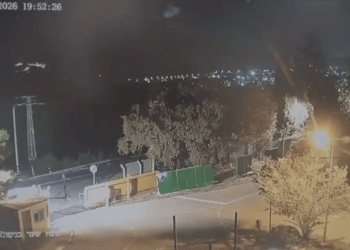
After air raid sirens sounded in Arab al-Aramshe and residents faced movement restrictions, the military says the unidentified object was likely harmless rather than a security threat. The object has yet to be found, as the IDF explains the recent wave of false alarms.
Security scare at Israel's Ben Gurion Airport. An anonymous report of a bomb aboard a Delta Air Lines plane that landed in Israel prompted the immediate evacuation of all passengers. Israel Airports Authority spokesperson: "The incident was resolved with no unusual findings, and normal operations have resumed."
Barnea, who stepped down as Mossad director in June, will join senior Israeli and US security officials at the Nov. 11 summit, with defense cooperation and coordination between the two countries taking center stage.