Israel Hayom is a media organization founded on the belief that the Israeli public deserves better journalism—more balanced, more accurate, and more reliable. Journalism that speaks rather than shouts. Journalism that is trustworthy, objective, and matter-of-fact. A different kind of journalism, offered free of charge.
The first print edition was published on July 30, 2007, and in 2010 Israel Hayom became the Israeli newspaper with the highest weekday readership. The newspaper’s publisher is Dr. Miriam Adelson. Its Editor-in-Chief is Omar Lachmanovitch, and its founding editor is Amos Regev.
Israel Hayom’s Hebrew and English websites, as well as its Android and iOS applications, provide around-the-clock news coverage, exclusive content, breaking news and updates, analysis and commentary, video, podcasts, and live broadcasts.
The digital platforms of Israel Hayom include news and opinion channels covering culture and entertainment, lifestyle, technology, sports, business and consumer affairs, health, military affairs, food, Judaism, tourism, and automobiles.
In 2021, a new Hebrew-language website and mobile application were launched to provide users with a fast, up-to-date, secure, and convenient experience.
The content of the newspaper’s print edition is also available online through a daily digital edition and can be received via newsletter.
“The Israel Hayom Clique,” the publication’s exclusive benefits club, offers website users discounts and special promotions on products and services.
Israel Hayom welcomes feedback, criticism, and suggestions for improvement from its readers. You can contact the organization by email at hayom@israelhayom.co.il
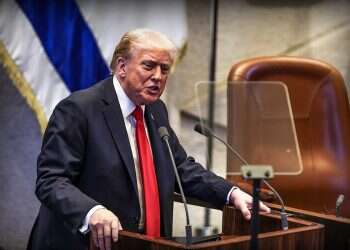
Negotiations with Iran are stuck because Trump has run out of cards. Every red line has been crossed, and Iran is dictating the rules. Against the backdrop of all the chatter about “love for Israel,” the president continues to throw his greatest ally under the bus. There will be those who again portray the grim reality as an achievement, but the truth is that this is a terrifyingly weak president.
The terrorist organization is once again setting an equation for Israel, believing it can wear it down and that Tehran will come to its aid. Alongside a ground maneuver, Israel will again need surprises to achieve victory. In addition to the military effort, it must strike Hezbollah's "deep state" and remove the elements cooperating with it.
In the face of the US push for a deal that will funnel billions to Tehran, Israel must shift its paradigm and seek the active collapse of the Iranian octopus’ head.
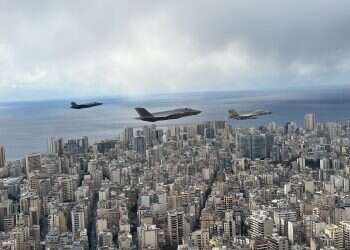
Prime Minister Benjamin Netanyahu said during a visit to the 36th Division that IDF troops had crossed the Litani River, while the terrorist organization responded by expanding the range of its fire toward Carmiel and Safed. Against the backdrop of the exchanges of fire, concern is growing over a temporary arrangement between Washington and Tehran that would extend the ceasefire by 60 days and allow Hezbollah to regroup.
Just a few minutes stood between a deadly disaster and property damage, but luck and timing are not a work plan. It is Israel's responsibility to provide security for communities in the north. What hurts me most is the feeling that we have been abandoned. Some people are afraid and others have already grown used to it, but this is not a situation that can be accepted.
When Benjamin Netanyahu was in the opposition, he argued that the one thing by which an Israeli prime minister is judged is his ability to say “no” to the president of the United States. Well, this is the moment when he must say “no,” because the “yes” he has been saying for the past month and a half is abandoning Israel's north.
It is the State of Israel's duty, in order to protect the residents of northern Israel and the soldiers now looking for fishing nets to cope with Hezbollah's drone threat. It is a necessary move to prevent Hezbollah from dragging us back to the era of equations, and a fitting response to Naim Qassem's statement that the terrorist organization will not give up its weapons.
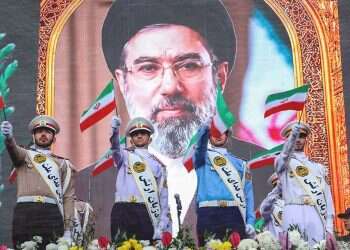
The deal will grant legitimacy to the extremist regime in Tehran and prove that the Islamic Revolutionary Guard Corps can survive even the immense pressure exerted by a global superpower. The resources that flow to the regime will enable it to rebuild its capabilities and, no less important, sell its citizens the very thing that drove them into the streets: hope for economic improvement.
The US president instructed his envoys not to rush toward signing a deal with Iran and made clear that the blockade would remain in force, but Jerusalem is deeply concerned about the draft memorandum of understanding taking shape. A senior Israeli official warned that signing the current document would end the fighting and deny Israel the ability to resume offensive operations. In the background: dramatic gaps between the sides over nuclear oversight and control of the Strait of Hormuz.