Israel Hayom is a media organization founded on the belief that the Israeli public deserves better journalism—more balanced, more accurate, and more reliable. Journalism that speaks rather than shouts. Journalism that is trustworthy, objective, and matter-of-fact. A different kind of journalism, offered free of charge.
The first print edition was published on July 30, 2007, and in 2010 Israel Hayom became the Israeli newspaper with the highest weekday readership. The newspaper’s publisher is Dr. Miriam Adelson. Its Editor-in-Chief is Omar Lachmanovitch, and its founding editor is Amos Regev.
Israel Hayom’s Hebrew and English websites, as well as its Android and iOS applications, provide around-the-clock news coverage, exclusive content, breaking news and updates, analysis and commentary, video, podcasts, and live broadcasts.
The digital platforms of Israel Hayom include news and opinion channels covering culture and entertainment, lifestyle, technology, sports, business and consumer affairs, health, military affairs, food, Judaism, tourism, and automobiles.
In 2021, a new Hebrew-language website and mobile application were launched to provide users with a fast, up-to-date, secure, and convenient experience.
The content of the newspaper’s print edition is also available online through a daily digital edition and can be received via newsletter.
“The Israel Hayom Clique,” the publication’s exclusive benefits club, offers website users discounts and special promotions on products and services.
Israel Hayom welcomes feedback, criticism, and suggestions for improvement from its readers. You can contact the organization by email at hayom@israelhayom.co.il
Hamas’ announcement that it is prepared to transfer civilian rule is an inevitable step from its perspective, meant to advance civilian aid and reconstruction. But it does not amount to relinquishing its military power or the many centers of influence it maintains over the population. The Gaza front must remain active until Israel achieves all the goals it has set there.
The United States remains the world's leading superpower, but its growing focus on domestic priorities, economic interests, and declining support for Israel is already reshaping its role in extraordinary ways.
The IDF did not receive 40 billion shekels ($13.3 billion) from the Finance Ministry, and as a result some missions face cuts. The prime minister has instructed the security establishment to prepare for the cancellation of US aid, a move that could affect the IDF’s procurement of critical platforms.
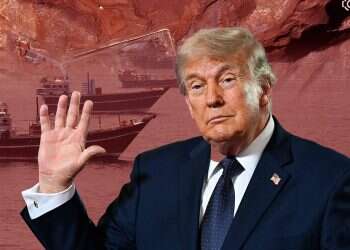
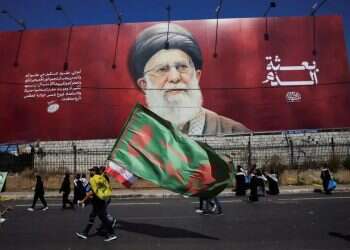
Defense Ministry Director General Maj. Gen. (res.) Amir Baram explains the insight politicians have failed to grasp: "For us, Iran is an existential threat. For the US, it is no more than a regional challenge." And yet, the last military word has not yet been said in the Gulf.
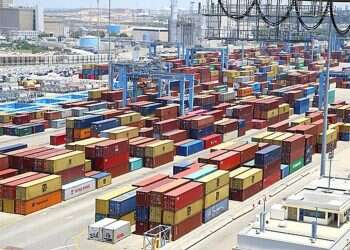
As new regional projects threaten to bypass Israel, a fresh examination of the IMEC vision, the integration of transportation and trade, and Israeli policy shows that regional integration could actually turn the threat into an opportunity, provided there is a conceptual and infrastructural shift.
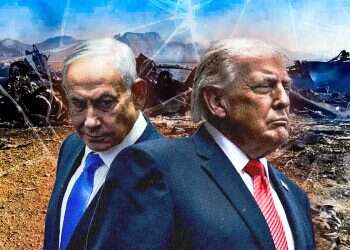
As voices in Trump’s camp grow more impatient with Israel, Jerusalem should answer not with confrontation, but with the confidence of a partner, proving its independence through action, judgment and strategic resolve.
Israel must set its sense of insult aside and look at reality. Washington is not naive, and neither is Trump. They are aware of the risks in the agreement, but believe this is the least bad solution, perhaps for Israel as well.
According to diplomatic officials, the US, with the help of Israeli intelligence officials, is providing a security umbrella for Lebanese President Joseph Aoun and senior government officials who support the agreement with Israel. At the same time, Aoun has received backing from Gulf leaders to advance the diplomatic move.
Israel and Lebanon have a history full of agreements that were not worth the paper they were written on. While the intentions of both sides are worthy, it is unclear how Lebanon will cope with attempts by Hezbollah and Iran to torpedo the agreement. Its implementation also depends on the US president, who could fall in love with the agreement even if it contradicts what is happening on the ground.