Israel Hayom is a media organization founded on the belief that the Israeli public deserves better journalism—more balanced, more accurate, and more reliable. Journalism that speaks rather than shouts. Journalism that is trustworthy, objective, and matter-of-fact. A different kind of journalism, offered free of charge.
The first print edition was published on July 30, 2007, and in 2010 Israel Hayom became the Israeli newspaper with the highest weekday readership. The newspaper’s publisher is Dr. Miriam Adelson. Its Editor-in-Chief is Omar Lachmanovitch, and its founding editor is Amos Regev.
Israel Hayom’s Hebrew and English websites, as well as its Android and iOS applications, provide around-the-clock news coverage, exclusive content, breaking news and updates, analysis and commentary, video, podcasts, and live broadcasts.
The digital platforms of Israel Hayom include news and opinion channels covering culture and entertainment, lifestyle, technology, sports, business and consumer affairs, health, military affairs, food, Judaism, tourism, and automobiles.
In 2021, a new Hebrew-language website and mobile application were launched to provide users with a fast, up-to-date, secure, and convenient experience.
The content of the newspaper’s print edition is also available online through a daily digital edition and can be received via newsletter.
“The Israel Hayom Clique,” the publication’s exclusive benefits club, offers website users discounts and special promotions on products and services.
Israel Hayom welcomes feedback, criticism, and suggestions for improvement from its readers. You can contact the organization by email at hayom@israelhayom.co.il
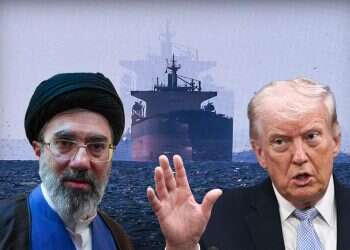
A regional diplomatic source says deep divisions on both sides are holding up a memorandum of understanding, as Washington pushes Iran to meet baseline nuclear and maritime conditions while talks continue under the US naval blockade.
The US secretary of state said Washington was prepared to give diplomacy "every chance to succeed," but was not ruling out "alternatives." At the same time, US officials told CBS that the supreme leader was staying at an unknown location, almost entirely cut off from the outside world, and that communication with him was being conducted through a network of couriers, delaying efforts to finalize the deal.
The US president addressed the emerging talks with Tehran and made clear that the naval blockade on the country’s ports would remain fully in force until an agreement is reached. Trump attacked the Obama administration’s nuclear deal as a “direct path to a nuclear weapon,” and declared that the current deal is exactly the opposite. He later thanked countries in the region and surprised observers by saying: “Who knows, perhaps Iran would like to join the Abraham Accords.”
In a statement issued after talks in the Oval Office at the White House, Trump said a series of leaders from the Middle East and the Muslim world had taken part. According to him, "the final aspects and details of the agreement are now being discussed and will be announced shortly." Pakistani Foreign Minister Mohammad Ishaq Dar, who arrived in Tehran over the weekend with a Pakistani delegation, said the conversation showed that "a positive and sustainable outcome is within reach."
In a statement after talks in the Oval Office at the White House, Trump said a series of leaders from the Middle East and the Muslim world had taken part. He said the “final aspects and details of the agreement are now being discussed and will be announced shortly.”
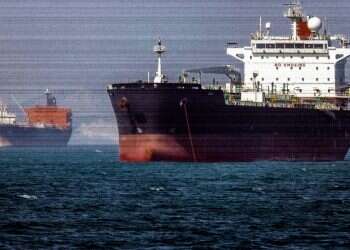
Two diplomatic sources tell Israel Hayom that the draft includes a basic Iranian commitment to refrain from obtaining a nuclear bomb, alongside agreement to a long-term postponement of uranium enrichment. The draft calls for a ceasefire during which the Strait of Hormuz would be fully and freely reopened, after which negotiations would begin.
A fierce debate ensues at the White House with the president approving continued talks with Iran despite opposition from senior officials. Vice President Vance and the envoys pushed for an initial deal, while the defense and foreign secretaries demanded pressure and a strike. At the same time, Prime Minister Netanyahu and the Emirati leadership backed a hard line, while Saudi Arabia and Qatar prefer to avoid escalation.
In the face of President Donald Trump's threats, Iran is hardening its position and taking the issue of nuclear enrichment off the negotiating table. Foreign Ministry spokesman Esmaeil Baghaei said: "We do not fear the enemy's threats. We believe in what we have and are preparing plans for confrontation."
An American source tells Al Jazeera that Tehran has days – not weeks – to break the diplomatic deadlock, as the US and Israel step up preparations for a renewed strike.
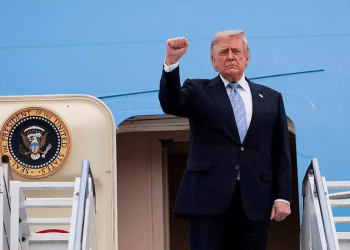
Aboard Air Force One returning from China, the president said Tehran must show "real commitment" and signaled he may lift sanctions on Chinese firms buying Iranian oil.