Israel Hayom is a media organization founded on the belief that the Israeli public deserves better journalism—more balanced, more accurate, and more reliable. Journalism that speaks rather than shouts. Journalism that is trustworthy, objective, and matter-of-fact. A different kind of journalism, offered free of charge.
The first print edition was published on July 30, 2007, and in 2010 Israel Hayom became the Israeli newspaper with the highest weekday readership. The newspaper’s publisher is Dr. Miriam Adelson. Its Editor-in-Chief is Omar Lachmanovitch, and its founding editor is Amos Regev.
Israel Hayom’s Hebrew and English websites, as well as its Android and iOS applications, provide around-the-clock news coverage, exclusive content, breaking news and updates, analysis and commentary, video, podcasts, and live broadcasts.
The digital platforms of Israel Hayom include news and opinion channels covering culture and entertainment, lifestyle, technology, sports, business and consumer affairs, health, military affairs, food, Judaism, tourism, and automobiles.
In 2021, a new Hebrew-language website and mobile application were launched to provide users with a fast, up-to-date, secure, and convenient experience.
The content of the newspaper’s print edition is also available online through a daily digital edition and can be received via newsletter.
“The Israel Hayom Clique,” the publication’s exclusive benefits club, offers website users discounts and special promotions on products and services.
Israel Hayom welcomes feedback, criticism, and suggestions for improvement from its readers. You can contact the organization by email at hayom@israelhayom.co.il
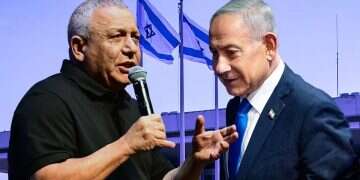
With 87 Zionist Knesset seats potentially paving the way for a unity government, political mistrust and campaign promises are keeping Israel at an impasse. Against the backdrop of another possible election and mounting security tensions, political leaders continue to dig in their heels rather than seek common ground.
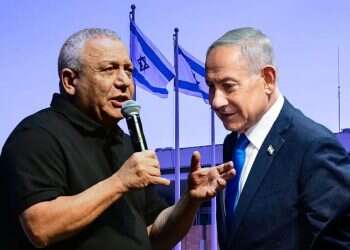
With 87 Zionist Knesset seats potentially paving the way for a unity government, political mistrust and campaign promises are keeping Israel at an impasse. Against the backdrop of another possible election and mounting security tensions, political leaders continue to dig in their heels rather than seek common ground.
With 87 Zionist Knesset seats potentially paving the way for a unity government, political mistrust and campaign promises are keeping Israel at an impasse. Against the backdrop of another possible election and mounting security tensions, political leaders continue to dig in their heels rather than seek common ground.
The military and intelligence cooperation between the US and Israel against Iran to continue as usual, regardless of the election results or the identity of the government that will be formed, the official claims. Prospect of forging broad Israeli coalition was evaluated during discussions between Jerusalem and Washington early Wednesday morning.
Set for Nov. 11, between Israel's Knesset elections and the US midterms, the summit will explore the future of the US-Israel alliance, economic cooperation and ties between Israel and Diaspora Jewry.
Alongside the fighting on seven fronts, Israel must commit to rebuilding the devastated communities of the north and south. Bringing residents home is only the first step: Long-term recovery requires a joint effort by the public and business sectors and philanthropic organizations to create educational opportunities, jobs and hope for the next generation. The opportunity before us is nothing short of historic.