Israel Hayom is a media organization founded on the belief that the Israeli public deserves better journalism—more balanced, more accurate, and more reliable. Journalism that speaks rather than shouts. Journalism that is trustworthy, objective, and matter-of-fact. A different kind of journalism, offered free of charge.
The first print edition was published on July 30, 2007, and in 2010 Israel Hayom became the Israeli newspaper with the highest weekday readership. The newspaper’s publisher is Dr. Miriam Adelson. Its Editor-in-Chief is Omar Lachmanovitch, and its founding editor is Amos Regev.
Israel Hayom’s Hebrew and English websites, as well as its Android and iOS applications, provide around-the-clock news coverage, exclusive content, breaking news and updates, analysis and commentary, video, podcasts, and live broadcasts.
The digital platforms of Israel Hayom include news and opinion channels covering culture and entertainment, lifestyle, technology, sports, business and consumer affairs, health, military affairs, food, Judaism, tourism, and automobiles.
In 2021, a new Hebrew-language website and mobile application were launched to provide users with a fast, up-to-date, secure, and convenient experience.
The content of the newspaper’s print edition is also available online through a daily digital edition and can be received via newsletter.
“The Israel Hayom Clique,” the publication’s exclusive benefits club, offers website users discounts and special promotions on products and services.
Israel Hayom welcomes feedback, criticism, and suggestions for improvement from its readers. You can contact the organization by email at hayom@israelhayom.co.il
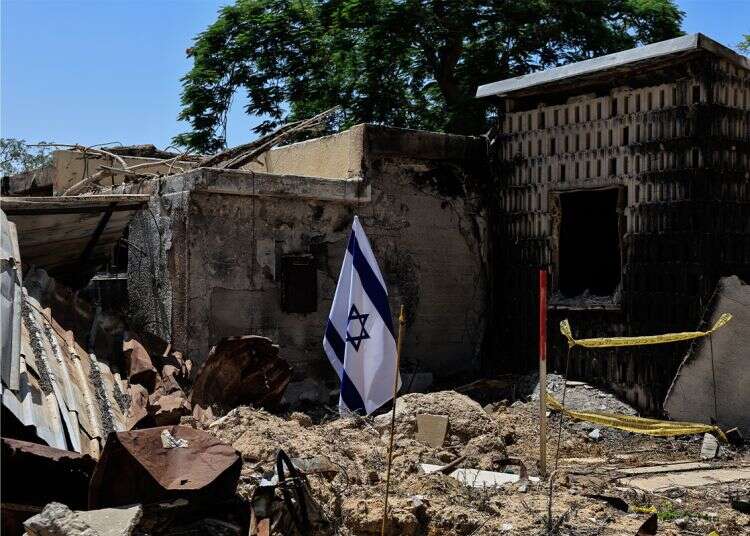
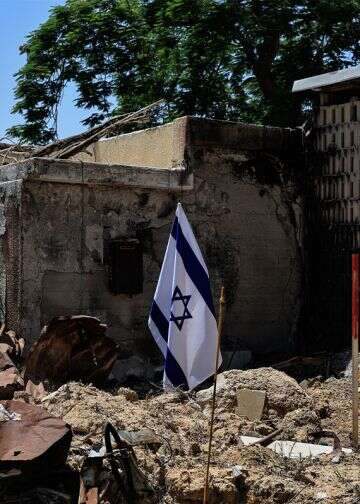
When the Nukhba terrorists' SIM cards came online in the middle of the night, he was unfazed. When NCO V. warned that Hamas was preparing to invade, he dismissed her concerns. People who knew him say he tailored his assessments to what the political echelon wanted to hear. A profile of the Gaza Division intelligence officer whose name was cleared for publication.
When the Nukhba terrorists' SIM cards came online in the middle of the night, he was unfazed. When NCO V. warned that Hamas was preparing to invade, he dismissed her concerns. People who knew him say he tailored his assessments to what the political echelon wanted to hear. A profile of the Gaza Division intelligence officer whose name was cleared for publication.
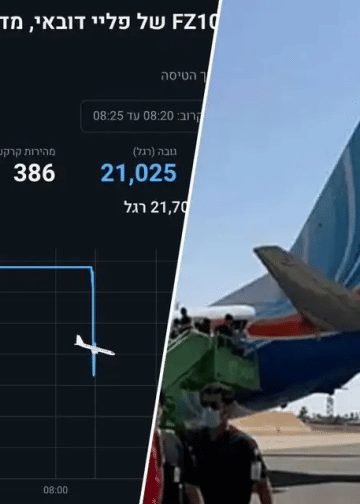
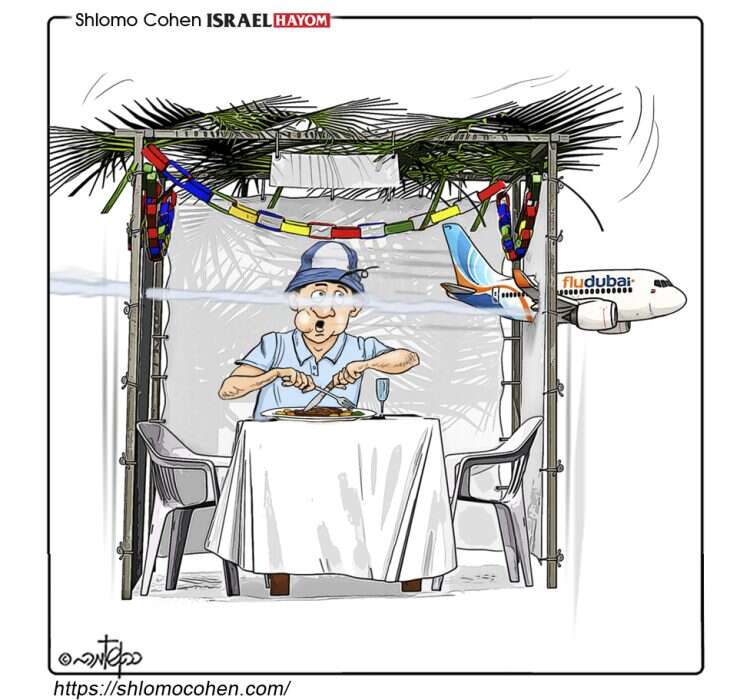
Stunning flight data and post-landing photographs reveal the terrifying structural toll of a steep dive triggered by a violent mid-air struggle. Photographs circulating online after touchdown show extensive damage to the vertical stabilizer, sparking urgent questions on how close the airliner was to catastrophe.
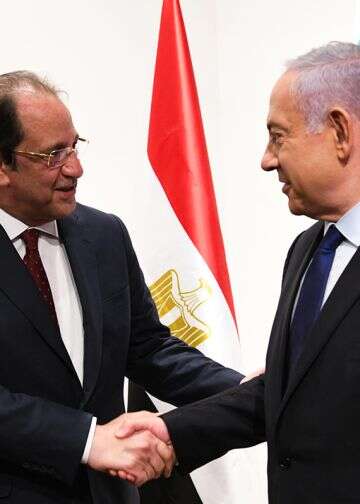
He ran Abdel Fattah el-Sisi’s office even before the 2013 coup and followed him to the presidential palace. His appointment as intelligence chief rested largely on his relationship of trust with the Egyptian president. From an armored corps officer to the top intelligence post: A profile of Abbas Kamel.
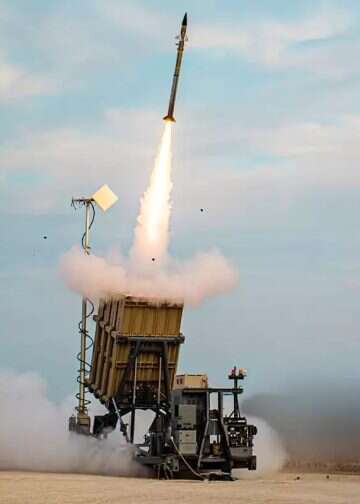
Battalions 137, which operates Iron Dome, and 136, which operates Arrow, each recorded "thousands of interceptions" over three years of war. On Hezbollah: "It's like cat and mouse. We learn them and they learn us." On claims of ammunition cutbacks: "We intercept every target we deem necessary without hesitation."
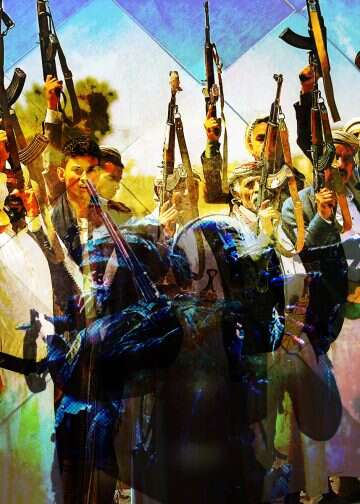
The terrorist organization's growing strength and the weakening regional response demand new ways of confronting the threat from Yemen. Alongside support for the Houthis' opponents and the development of local capabilities, Israel must prepare to act against the group's leadership. If the danger is not stopped in time, the implications are clear.
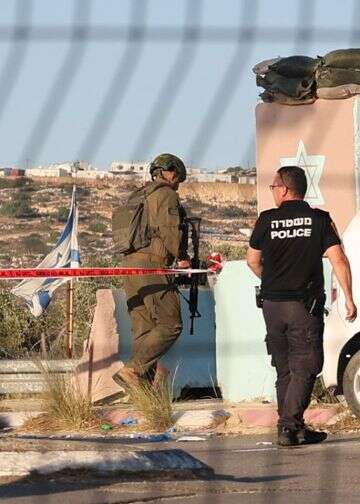
At the beginning of the week in which Netanel Shukrun was murdered, IDF forces arrested two suspects in Qabatiya who were preparing to carry out an attack. But a man acting alone was able to set out almost without leaving an intelligence trail. Faced with this threat, the emphasis shifts from pre-emptive counterterrorism to protection on the ground, along with a buildup of forces in Judea and Samaria.
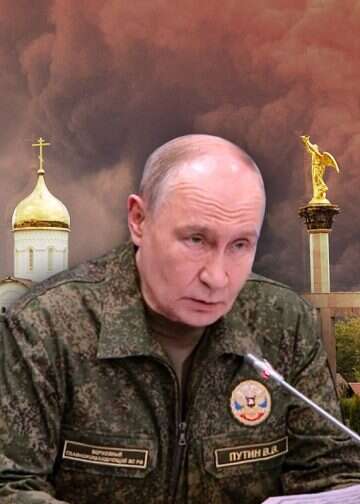
A CIA warning in Moscow and a wave of cyberattacks and sabotage have put Europe on heightened alert, with fuel shortages and the prospect of a new Russian mobilization are fueling fears of an attack on the Suwałki Gap or a provocation on the Polish border. The Kremlin, meanwhile, denies any aggressive intentions.
The hard reality of recent years has created a universal need for nostalgia and comfort, one only the rom-coms of the 2000s can fill. With a sequel to the iconic rom-com now announced, and alongside the broader yearning for the past, I wonder, do our comfort movies actually reflect the impossible mission that is dating today?
Hezbollah has been weakened, the Houthis grow in confidence, the militias in Iraq are under pressure and pro-Iranian cells are trying to regain a foothold in Syria. At the same time, tensions between Hamas and Palestinian Islamic Jihad have come into the open. Three years after threats of a regional war, Tehran is trying to rebuild its proxy network and adapt it to a new reality.
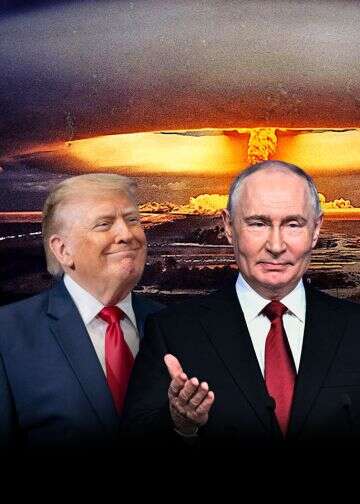
The past year has transformed the nuclear debate: The last US-Russia arms-control treaty expired, Trump ordered nuclear testing to resume and China is rapidly expanding its capabilities. At the same time, countries that had never publicly contemplated going nuclear are now openly discussing it.