Israel Hayom is a media organization founded on the belief that the Israeli public deserves better journalism—more balanced, more accurate, and more reliable. Journalism that speaks rather than shouts. Journalism that is trustworthy, objective, and matter-of-fact. A different kind of journalism, offered free of charge.
The first print edition was published on July 30, 2007, and in 2010 Israel Hayom became the Israeli newspaper with the highest weekday readership. The newspaper’s publisher is Dr. Miriam Adelson. Its Editor-in-Chief is Omar Lachmanovitch, and its founding editor is Amos Regev.
Israel Hayom’s Hebrew and English websites, as well as its Android and iOS applications, provide around-the-clock news coverage, exclusive content, breaking news and updates, analysis and commentary, video, podcasts, and live broadcasts.
The digital platforms of Israel Hayom include news and opinion channels covering culture and entertainment, lifestyle, technology, sports, business and consumer affairs, health, military affairs, food, Judaism, tourism, and automobiles.
In 2021, a new Hebrew-language website and mobile application were launched to provide users with a fast, up-to-date, secure, and convenient experience.
The content of the newspaper’s print edition is also available online through a daily digital edition and can be received via newsletter.
“The Israel Hayom Clique,” the publication’s exclusive benefits club, offers website users discounts and special promotions on products and services.
Israel Hayom welcomes feedback, criticism, and suggestions for improvement from its readers. You can contact the organization by email at hayom@israelhayom.co.il
The new book “The Syrian Revolution” charts Bashar Assad's downfall: “He simply did not have the qualities needed for the job.” Also: The ironic mistake that came back to haunt him more than 20 years later, and is Israel missing out al-Sharaa?
For now, events in the Gulf are being treated as “foreign news,” with Israelis chiefly concerned about the impact on flights, but that appears likely to change soon. And there is no denying it: Something is amiss in relations with the White House.
President Donald Trump has approved a civilian nuclear agreement with Saudi Arabia worth tens of billions of dollars that could include the construction of a US uranium enrichment facility in the kingdom. The agreement is intended to bolster US companies and keep China and Russia at bay, but it has sparked controversy in Congress and fears of a regional arms race.
Iran’s weakening opens a window for Turkish President Recep Tayyip Erdogan to expand his regional influence, seeking to block Israel’s integration into the Middle East and undermine its emerging alliances. Experts warn: “Jerusalem must prepare for an era of competition with the Sunni axis, reduce its dependence on the US and build new alliances.”
A new Lebanese initiative signed by more than 400 people from across the country’s sectarian and political spectrum, including Shiites, is offering fresh hope to Hezbollah’s opponents. How it could dismantle one of the terrorist organization’s main “weapons” for maintaining its grip on power, and what could still cause it to fail?
In polished English and under a veneer of Western progressivism, Qatar is serving millions of young people around the world a poisoned arrow dipped in honey. This is how the viral AJ+ platform became a propaganda machine that casts Israel as the aggressor, whitewashes Hamas and shapes the opinions of the next generation.
The facility at Pickaxe Mountain, near the Natanz enrichment complex, is believed to be buried deeper than Fordow and was not attacked during either the 12-day war or the current round of fighting. Recent satellite imagery shows Iran continuing to fortify and reinforce the site, in apparent violation of the memorandum of understanding signed with the US in June.
Turkish Foreign Minister Hakan Fidan's statements against Israel reached a new peak this week, but Israel's security establishment marked him long ago. He has been suspected of helping expose Israeli spies, socialized with Qassem Soleimani and signaled sympathy for Hamas. How dangerous is his rise to the top of power?
Israel may awkwardly and strangely get its preferred scenario in Iran. And what serious problem was forgotten amid the storm over Basic Law: Torah Study?
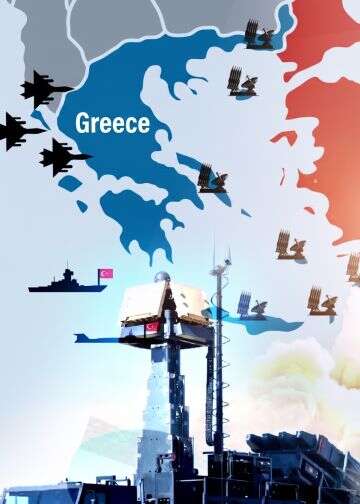
The NATO leaders' summit in Ankara will give Recep Tayyip Erdogan a platform to showcase his security and diplomatic achievements, as well as his ambition to position Turkey as a regional and international power. From the defense industry to influence from Africa to the Caucasus: These are the Turkish president's goals.
The terrorist organization is not truly prepared to give up power as long as it refuses to disarm. The proposed framework seeks to place responsibility for dealing with the chaos in Gaza on a technocratic committee, while Hamas frees itself to continue rebuilding its military capabilities. Despite many eliminations, a group of senior Hamas officials in Gaza has survived so far, and does not intend to relinquish its light weapons or tunnels.